Blog
Dental hygiene tips for healthy teeth & gums
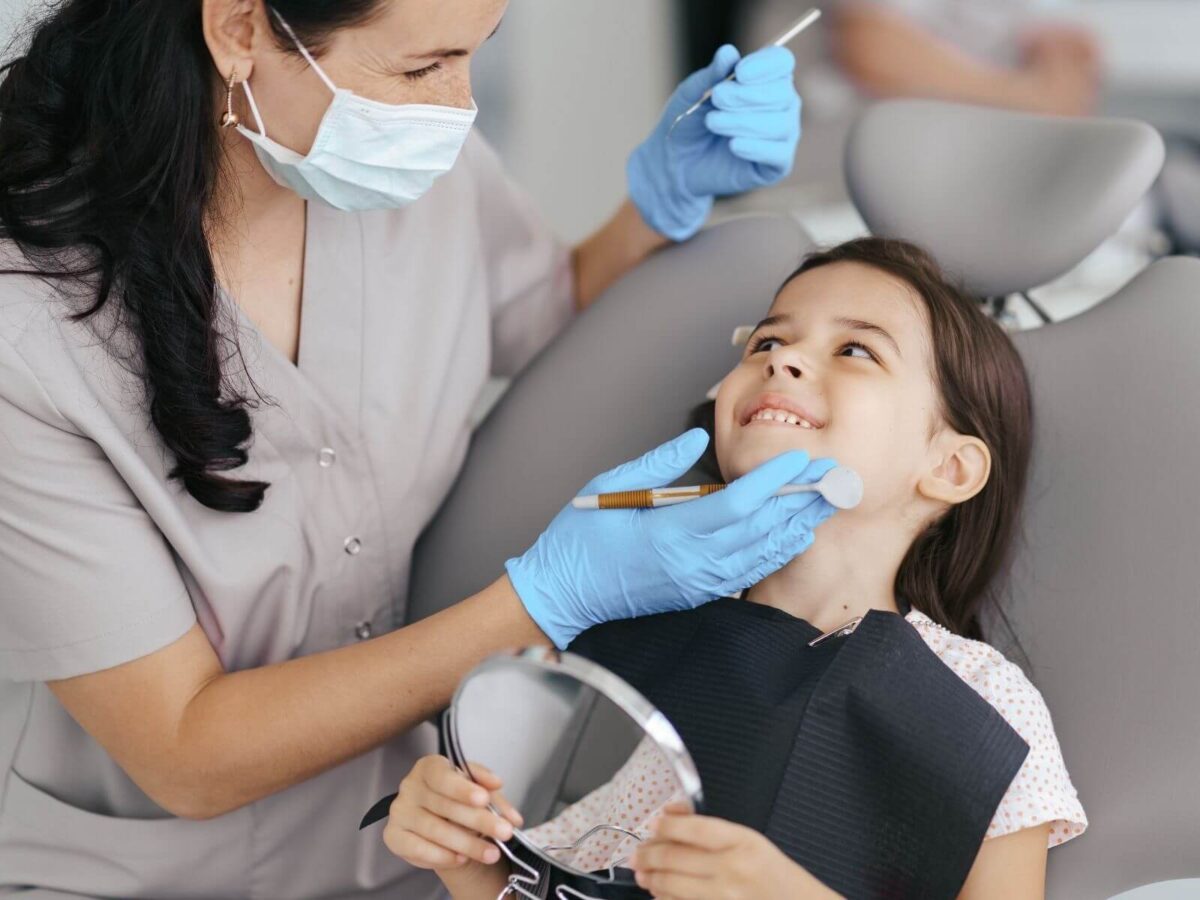
What Is a Pediatric Dentist? Role, Training, and When to Visit
If somebody asks, “What is a pediatric dentist?”, the easiest answer is usually “a dentist for kids.” Most people stop there. Honestly though, that explanation feels a little too simple once you actually take a child to one. Pediatric dentistry involves far more than smaller tools or cartoon decorations on the walls. The entire experience is handled differently because children respond differently.
A child may feel scared without knowing why. Another might move constantly during an exam. Some children cry before the appointment even begins. While keeping the appointment manageable for kids, pediatric dentists pay attention to overall dental health. They also notice problems related to growth and habits. That is why pediatric dental care often feels different from regular dental care. It is not only about treatment. A large part of it involves patience, communication, and helping children feel safe enough to return without fear later.
Why It’s Not Just Regular Dentistry With Smaller Tools
The difference becomes obvious pretty quickly during appointments. Adults can usually follow instructions and stay calm. Children often feel confused by the whole experience. Their teeth are still developing, and honestly, their mood can change without warning. One minute everything is fine. The next minute it is not. That is part of what makes pediatric dental care separate from general dental care.
A pediatric dentist does more than clean teeth or treat cavities. They’re also watching how things grow. Whether teeth are coming in properly. Whether there’s enough space. Whether habits like thumb-sucking are going to cause issues later. And they’re doing all of that while trying to keep the child calm enough to even get through the appointment. That balance is the actual skill.
The Extra Training People Don’t Really Think About
A pediatric dentist does not stop training after dental school. Most go through extra education focused entirely on treating children.
They learn about developing teeth, jaw growth, and common habits that affect oral health during childhood. They also learn how dental problems can affect children differently at different ages. That is one reason pediatric dental care feels separate from regular dental care.
Treating children is not always predictable either. A child may feel comfortable one minute and upset the next. Some struggle to sit through simple exams. Pediatric dentists are trained for those situations because they happen far more often than people think.
What They Actually Do
A lot of parents assume pediatric dental visits are just basic cleanings and quick exams. That is only one part of what is actually being monitored. They’re tracking how teeth are growing, checking if anything looks off early, and sometimes spotting problems before they even become visible to parents.
They’ll talk about brushing habits, diet, sometimes even sleep habits if it affects oral health. Fluoride treatments are common. Sealants too, especially for molars that are harder to clean properly. And then there are cavities. Which, honestly, are more common in kids than most people expect.
The CDC estimates that untreated cavities affect roughly 1 out of every 5 children aged 5 to 11. This is higher than many parents assume. So a big part of the job is prevention. Stopping things before they become bigger issues.
When Families Usually Start Pediatric Dental Visits
This is the part where parents often start second-guessing the timing. If the child looks fine and eats normally, waiting can feel easier. Many families delay appointments because they assume nothing serious could happen that early. Sometimes that works out.
Sometimes small dental issues quietly develop in the background.
The American Academy of Pediatric Dentistry advises parents to schedule the first visit fairly early. Typically within months of the first tooth erupting. That recommendation is not mainly about procedures or treatment. Early visits help children experience the environment before fear or anxiety becomes attached to dental care. Over time, that comfort tends to matter more than people expect.
Why Some Kids Handle It Well
A child’s reaction to the dentist is not random every time. Early experiences matter. If the first visit only happens after discomfort starts, the entire experience can feel stressful right away. That connection sticks.
On the other hand, if the early visits are simple and calm, the environment starts to feel normal. That difference shows up quickly. And once that pattern is set, it’s hard to reverse.
Handling Fear (This Is Where Pediatric Dentists Really Stand Out)
This part is hard to explain until you see it. They don’t rush. They don’t just say “open your mouth” and move forward. They explain things in a way that makes sense to a child.
Sometimes they show the tools first. Sometimes they turn it into something that doesn’t feel clinical at all. And sometimes they just pause. That alone makes a difference. Because most of the anxiety comes from not knowing what’s about to happen, not the procedure itself.
What Research Says About Early Pediatric Dental Care
There’s actually solid research behind starting early. Studies have shown that children who have dental visits early in life tend to need fewer treatments later and have lower overall dental costs over time.
That’s not just about saving money. It’s about avoiding bigger procedures altogether. Which is obviously easier than dealing with them later.
So Do You Always Need a Pediatric Dentist?
Not always. General dentists treat children too, and plenty of families stick with one dentist for everyone in the house. Sometimes that works perfectly fine for years. The difference usually becomes noticeable during the appointment itself, especially with younger children who get nervous easily or lose patience halfway through.
Pediatric dentists spend extra years working around those situations. A child may start crying suddenly. Another might refuse to sit in the chair after being completely calm in the waiting room. Things can change fast with kids. That part is normal in pediatric dentistry, which is why their approach often feels different once the visit actually begins.
Some parents notice it right away. Others only understand the difference after a difficult appointment happens.
A Few Things That Are Easy to Miss
Children are not always able to explain dental discomfort clearly. Some never mention discomfort at all. Parents sometimes discover the issue only after it has been developing quietly for some time.
Children’s teeth are affected by small routines too, not only major dental problems. Things like sleeping with a bottle or brushing too quickly can gradually create issues later on. The changes are not always obvious right away.
That is part of what pediatric dentists pay attention to during regular appointments. They are often looking beyond what parents can immediately see.
FAQs
What is a pediatric dentist, really?
It’s a dentist trained for children. Their work involves more than just checking teeth.
Is pediatric dental care important?
For many children, it helps. Habits usually start forming pretty early.
How early should a child visit a dentist?
Usually after the first tooth shows up. Some parents go around the first birthday.
Can a general dentist treat kids too?
Of course. Pediatric dentists simply focus more on child-related dental issues.
Conclusion
A lot of parents search “what is a pediatric dentist” and expect a simple answer. But once you actually see how these dentists work with children, it starts making more sense. Kids change fast. Their teeth grow in stages, habits shift constantly, and even small dental visits can feel overwhelming to them. That’s why pediatric dentists approach things differently. They focus on comfort just as much as treatment, which honestly makes a big difference over time.
A lot of parents wait until something starts hurting before booking an appointment. But getting into pediatric dental care earlier usually makes things feel easier for everyone involved. Kids become familiar with the place, the sounds, and the people. That comfort builds slowly. If you have been putting off the first visit? This might be a good time to finally get it done before small issues turn into stressful ones.