Blog
Dental hygiene tips for healthy teeth & gums
Dental Crown Types: Which One Is Right for Your Tooth?
Getting told you need a crown is usually the easy part. What follows is a lot of options, not much explanation, and a waiting room leaflet that doesn’t really help.
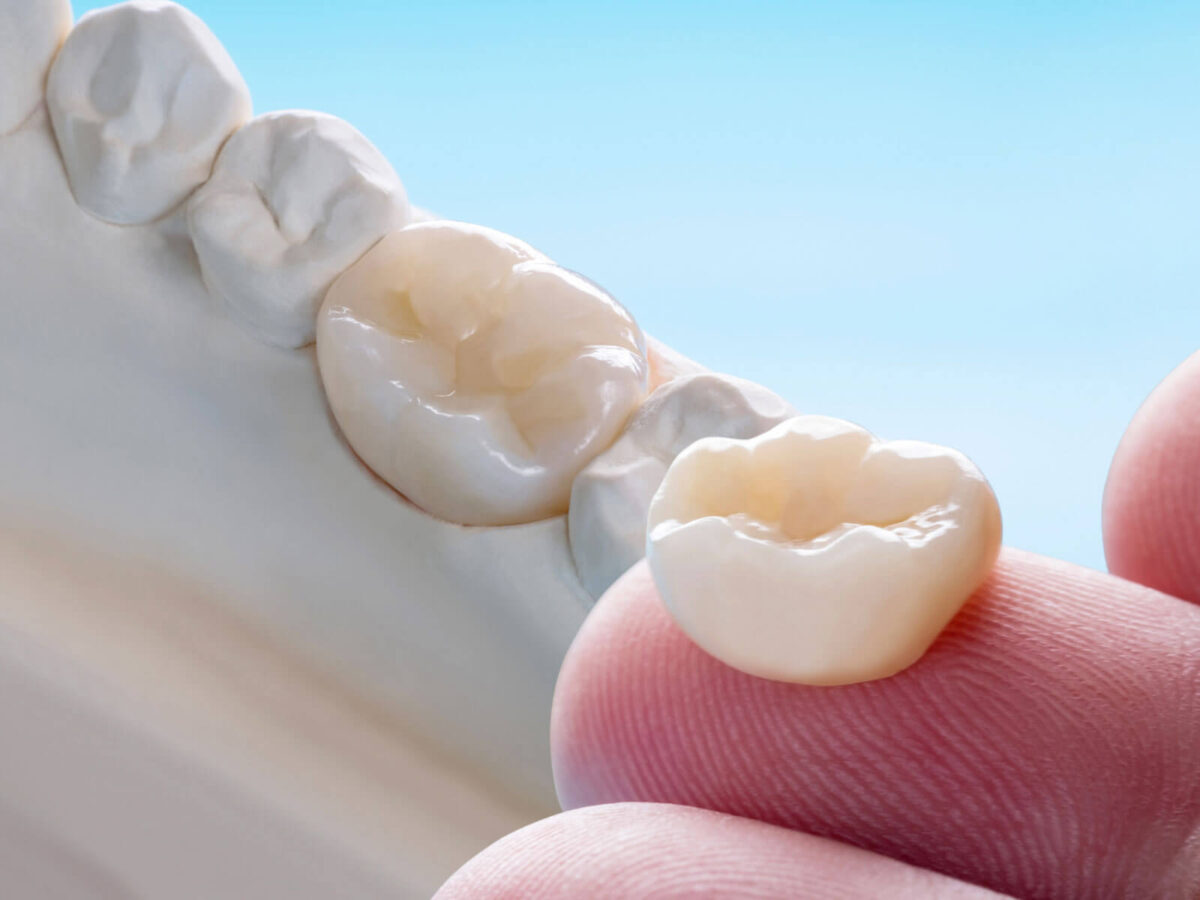
What is a dental crown, exactly? It goes over the entire tooth, everything above the gumline, covering what’s damaged and restoring how it works. Cleveland Clinic describes it as a tooth-shaped cap placed over a weakened or broken tooth to bring back its shape and function. The tooth stays put. The crown does the protecting.
Where it gets complicated is the material. There are several options, and which one makes sense comes down to the specific tooth, how much pressure it handles, what you want it to look like, and what you’re working with budget-wise.
Why Would Someone Need A Dental Crown
Root canals are probably the most common reason people end up needing one. When the pulp gets removed, the tooth loses a lot of its resilience. A crown goes over it to stop it cracking under the pressure of normal chewing, which it otherwise very easily can.
But that’s not the only situation. A cracked tooth that a filling can’t hold together. Decay that’s taken out too much structure to anchor a filling properly. A dental implant that needs a surface. A tooth that is ground down to the point where it’s barely functional. Any of these can land someone in the same conversation.
It’s a structural fix, not a cosmetic one. The appearance is just a side effect of putting the tooth back together properly.
All-Ceramic and Porcelain – The Cosmetic Option
Front teeth are where these tend to show up most. The material can be matched pretty well to the surrounding teeth in terms of color and translucency, which makes it hard to tell apart from what’s natural.
Back teeth are a different story. Porcelain isn’t fragile exactly, but it doesn’t hold up to sustained chewing force the way metal or zirconia does. A molar grinding through food all day is asking a lot of it.
PFM Crowns
There’s a metal core underneath and porcelain over the top. The metal handles the structural side of things, and the porcelain keeps it looking like a tooth. It’s a combination that worked well enough to be the default option for a long time, and plenty of dentists still use it regularly.
The issue that comes up is a thin dark line near the gumline. As gums shift over the years, the metal underneath can start to peek through. It’s not guaranteed, but it happens often enough that it’s worth asking about before going with this material on a tooth people are going to see.
Zirconia Crowns
Zirconia has taken over a lot of the space PFM used to occupy, and the reason is pretty straightforward. It’s very strong, holds up to chewing pressure well, and the appearance has improved significantly from earlier versions, which tended to look too white and opaque.
Modern zirconia crowns are much closer to a natural tooth in appearance. They work well on both front and back teeth, they’re biocompatible, so allergic reactions are rare, and they don’t have the dark line issue that PFM can develop. The main thing working against it is the price. It’s not the cheapest option on the list, and depending on the practice and the insurance situation, that gap can be noticeable.
Metal Crowns
When durability is the only thing that matters, metal is usually where the conversation ends up.
Gold or base metal alloy, either way, they handle heavy chewing force without chipping, tend to last a long time, and require less removal of the original tooth structure to fit properly than most other options.
The obvious drawback is appearance. A gold crown on a back molar isn’t usually visible when someone smiles, and for those who prioritize longevity over looks, especially for back teeth that take the most pressure, metal is hard to argue with on pure durability grounds. For a front tooth, nobody would choose it.
Composite Resin Crowns
Resin is the cheapest material on this list, and it shows over time. It chips, it wears down, and it doesn’t hold up the way other options do under regular use.
Most of the time, it shows up as a temporary fix while the permanent crown is being made, not as the crown itself. As a long-term crown for tooth restoration, it’s rarely the recommendation, unless cost has genuinely ruled everything else out.
What The Dental Crown Procedure Actually Looks Like
Most of the time, it’s two appointments, sometimes one.
The first one is the longer visit. The tooth gets numbed, decay comes out, and the tooth gets shaped so the crown will fit over it. From there, either a physical impression or a digital scan, a temporary crown goes on, and the real one gets made at a lab over the next couple of weeks.
Second appointment, the temporary comes off, and the permanent crown goes in. Bite gets checked, small tweaks get made if anything’s off, and it gets cemented.
Some practices skip the second visit entirely. Cleveland Clinic explains this uses computer-aided design and manufacturing, where the tooth gets scanned right there in the chair, the crown gets designed on a screen, and a machine cuts it from a block of ceramic the same day. One visit, done.
The dental crown procedure is done under local anesthesia. Cold sensitivity for a few days after is pretty common and tends to sort itself out.
Will A Crown Last Long Enough To Be Worth It
Longer than most people expect, assuming it’s looked after properly.
The ADA puts the typical lifespan at around 10 to 15 years, though plenty of crowns outlast that range significantly. Metal outlasts everything else on the list. Porcelain is the other end of that spectrum, especially if there’s a lot of bite pressure involved.
Habits do as much damage as anything else. Grinding, chewing ice, skipping checkups, all of it shortens a crown’s life regardless of the material. A loose crown, lingering sensitivity, or anything off near the gumline is worth a call to the dentist.
Which Crown Type Is Actually Right For You
The tooth’s location is usually where the conversation starts. Visible teeth push toward porcelain or zirconia. Back teeth push toward zirconia or metal, where strength matters more than appearance.
Budget shapes the decision, too. Metal crowns tend to be less expensive than zirconia, which tends to be less expensive than some all-ceramic options, depending on the lab. Not all insurance plans cover every material to the same degree, so it’s worth asking upfront what the cost difference would be and what the plan actually covers.
Metal allergies are worth mentioning before anything gets decided. Some people have reactions to certain metal alloys, which rules out PFM and full-metal options for them. Ceramic and zirconia don’t carry that risk.
Zirconia comes up a lot, and the reasons aren’t complicated. Handles back teeth, looks fine on front teeth, no metal issues. But what is a dental crown material that’s right for a specific tooth is really a question for the dentist who can actually see it, not a general answer from a list.
FAQs
How do you look after a crown once it’s in?
Same as any other tooth, really. The crown itself is fine, but what’s underneath it isn’t immune, and neither is the gumline around it.
Can a crown come off?
Yes, it happens. Hold onto it if it does, and ring the dentist. More often than not, it just needs cementing back on.
Can decay still happen under a crown?
At the gumline, yes. The crown covers the tooth, but that join at the bottom is where things can still go wrong if brushing slips.
Cap or crown, is there a difference?
No. Just two words for the same thing, cap being the older one.
Conclusion
What is a dental crown, when it comes down to it? It is a cover for a tooth that a filling can’t save. Holds it together and lets it keep doing its job.
Picking the material feels more complicated than it usually ends up being. Front teeth, appearance wins. Back teeth, strength wins. Budget tends to sort out the rest. The dentist who can actually see the tooth will get to an answer faster than any rundown of materials. If one’s been recommended and the options feel like a lot, that’s the conversation to have at the appointment, not something to figure out alone beforehand.