Blog
Dental hygiene tips for healthy teeth & gums
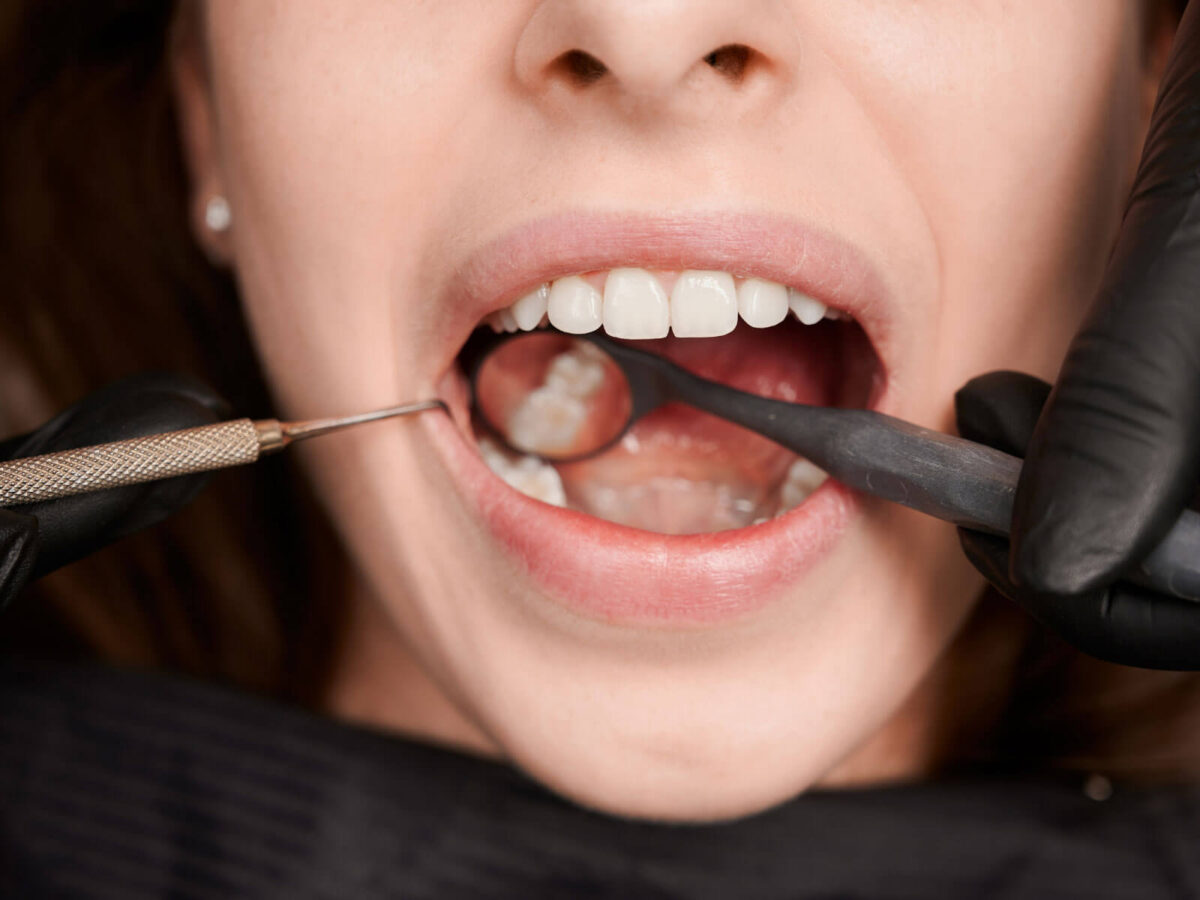
Do Root Canals Hurt? What the Procedure Actually Feels Like
My tooth had been off for weeks before I admitted it was not going to sort itself out.
Root canal. Two words, and my dentist was already moving on to explain the next steps while I sat there trying to process it. I went home and spent longer than I want to admit reading about what I was about to go through. Nothing I found quite settled it.
This is what the answer to “do root canals hurt” actually looks like when you have been through one.
TL;DR
- During the procedure: pressure and movement, not pain. The numbing injection is the sharpest part.
- Do root canals hurt after? A few days of soreness, manageable with ibuprofen. Antibiotics if the infection was significant.
- The pain most people dread is the infected tooth in the weeks before the appointment. The procedure is easier than that.
- How painful a root canal is depends partly on the tooth, the infection level, and how anxious you are going in. More on all of that below.
What Does a Root Canal Involve
I had no idea what a root canal actually was until I was sitting in the chair waiting for one.
The tooth is not solid all the way through. There is a hollow space inside that runs down into the roots, and that space has tissue in it called pulp. When that tissue gets infected, the whole inside of the tooth becomes a problem. My dentist went in through the top, took everything out, cleaned the canals, and sealed them off. A crown comes later.
What actually helped me going in was realising the tooth was already in a bad way before anyone touched it. The pulp was infected. In some cases, it is already dead by the time you get there. The procedure was not going to a healthy tooth and was causing damage. It was fixing something that had gone wrong on its own.
What the Numbing Injection Feels Like
This was the sharpest part of the whole appointment for me. Not the root canal itself. The injection.
Lidocaine gets injected into the tissue around the tooth before anything else happens. The injection itself is a brief sting, over in a few seconds. My dentist put a numbing gel on the gum first, which helped. I barely felt it go in.
Mine was a lower back tooth, which meant a block injection that numbed the entire side of my jaw. Lip, tongue, everything on that side went dead within a few minutes. I kept prodding my lip with my finger on the way home because it felt so strange.
Once the numbness was in, I could feel that things were happening but could not feel what specifically. Pressure and movement. No pain. If I had felt anything sharp, I would have said something, and my dentist told me beforehand that was absolutely fine to do.
What the Procedure Feels Like With Proper Numbing
Pressure and movement, mostly. The occasional vibration from something working inside the tooth. None of it was painful, just present in a way that was hard to ignore.
My mouth was open for about 75 minutes. They put a rubber dam around the tooth, which I had never heard of before. It is a thin sheet that keeps the area dry and isolated. Felt strange for a minute, and then I forgot it was there.
What I felt during the cleaning and shaping was difficult to describe. Something happening deep inside the tooth, but without any of the specifics registering. Like being aware that work was being done without being able to identify what. At one point there was mild pressure. For long stretches, there was almost nothing at all.
How painful is a root canal with proper numbing is not really the right question. The more honest answer is that it is a long appointment where you are aware of things happening, and none of them hurt.
What Recovery Really Felt Like
The numbness wore off about an hour after I got home, and that is when I felt it properly.
Sore around the tooth, worse when I bit down. Ibuprofen took the edge off. The first night was the worst of it and it had mostly settled within a couple of days.
I was on antibiotics too because my infection had been going on long enough to need them. Not everyone comes away with a prescription. A review published through the NIH found antibiotics are appropriate when systemic signs of infection are present, but they are not a routine addition to every root canal.
For about a week afterward, the tooth felt different. Sensitive to pressure, more noticeable than a healthy tooth usually is. That faded as things healed.
Is RCT Painful Compared to What Came Before It
Not even close, and I say that as someone who spent weeks dreading the appointment more than the tooth.
The tooth had been waking me up at night. Heat made it worse, and nothing made it better. Ibuprofen was part of every morning just to get through until noon. I kept finding reasons to delay the appointment, which in hindsight was just prolonging the worst part.
That night after the procedure, I slept straight through. The Mayo Clinic puts root canal treatment on the same level as having a filling placed in terms of discomfort, and in my experience that was about right.
What Makes Some Root Canals More Uncomfortable
After mine, I asked my dentist about this because I was curious what could have made it harder.
A badly abscessed tooth is the main one. Active infection makes the tissue around the tooth more acidic, and that stops the anesthetic from working the way it should. My dentist said she has had to use extra injections in those cases, or try a different technique, or sometimes send the patient away with antibiotics first to bring things down before touching the tooth.
Which tooth it is makes a difference too. Front teeth are simpler to numb and usually have one or two canals. A lower back molar can have four, with curved roots that take considerably longer to work through. Do root canals hurt more for a molar than a front tooth? My dentist said the molar appointments tend to be harder.
I will be honest, the anxiety was probably half the battle. My shoulders were up around my ears the whole time, and I noticed that the tension made everything feel more present. If that sounds familiar, ask about sedation. I wish I had looked into it before going in.
Ready to Get Past the Fear of the Appointment?
The procedure is rarely what patients expect. An evaluation shows what’s actually needed.
FAQ
Do root canals hurt during the procedure?
With proper numbing, not in the way people expect. Pressure and movement, yes. Sharp pain, no. The injection was the worst moment for me, and even that was over in a few seconds.
Root canal vs leaving the tooth untreated – which one is more painful?
The infected tooth was far worse than the procedure. I spent weeks dealing with pain that ibuprofen barely touched. The root canal took that away.
Is RCT painful after the procedure?
A few days of soreness, yes. Nothing that ibuprofen could not manage. The first night was the worst of it, and it improved from there.
Why do root canals have such a scary reputation?
Most of it traces back to experiences people had decades ago, before modern anesthesia was what it is now. Techniques have changed significantly since then. A lot of what gets passed around is also people describing the pain of the infected tooth, not the procedure itself, and the two feel nothing alike.
Conclusion
I spent more time searching “do root canals hurt” than I did actually dealing with the tooth. That probably tells you something.
The injection was the sharpest part. The procedure itself was pressure and movement for about 75 minutes. A few sore days after, ibuprofen on a schedule, and a course of antibiotics because my infection had been significant. That was it.
Nobody told me that the worst part was going to be the weeks I spent putting it off while the tooth got worse. The chair was fine. The waiting was not.
If you are in Azle and have been avoiding a tooth that has been hurting, the appointment is not what you are imagining.
Stop Putting Off the Appointment
A root canal relieves the pain of infection. Find out what your tooth actually needs.