Blog
Dental hygiene tips for healthy teeth & gums
When Do Wisdom Teeth Come In? Age, Signs, and Symptoms
Most People Don’t Notice It Right Away
Wisdom teeth usually don’t arrive dramatically. There’s no single moment where you suddenly realize, “Oh, my wisdom teeth are coming in.” It tends to happen more gradually than that. A little soreness near the back of the mouth. Maybe some pressure while chewing. The early discomfort is often subtle enough that people ignore it for a while. Sometimes the first real clue comes when the back of the gums starts feeling swollen or uneven unexpectedly.
And honestly, that slow beginning is part of why people get confused about “when do wisdom teeth come in”. The timing varies so much that it doesn’t feel predictable the way baby teeth or even braces timelines sometimes do.
When Do Wisdom Teeth Come In
Most wisdom teeth come in during the late teens or sometime in the twenties. Around 17 to 25 is what dentists usually say, although it is not exact for everyone. Some people notice them earlier than that. Some much later. And some people never really develop wisdom teeth fully at all.
The American Dental Association explains that wisdom teeth are the final molars to emerge. Because they erupt later than the other adult teeth, they often run into a space problem once they start coming through. In many people, the jaw simply does not have enough room left by then.
Why They’re Called “Wisdom” Teeth in the First Place
It’s actually tied to age. These teeth come in later than all the others, usually when someone is older and supposedly wiser than they were as a child. That’s really where the name comes from. Not because the teeth themselves are useful. In fact, for many people, they end up causing more inconvenience than wisdom.
The First Signs of Wisdom Teeth Coming In Usually Feel Vague
One reason wisdom teeth get ignored so often is that the symptoms do not always feel serious right away. The first signs of wisdom teeth coming in may only feel like mild jaw pressure or irritation near the back gums for short periods of time.
Many people brush it off in the beginning. They assume they irritated the area somehow or slept wrong on the jaw. Since the symptoms often disappear for a while, it becomes easy to stop thinking about them until they return again later.
Common Signs of Wisdom Teeth Coming In
Some wisdom teeth come in with barely any noticeable symptoms. Others create discomfort that seems to come and go for a while. Even with those differences, certain warning signs appear pretty commonly.
Soreness at the Back of the Mouth
A lot of wisdom tooth discomfort starts here first. The gums around the back teeth may swell slightly or feel sensitive when pressure is applied.
Jaw Pressure
Some people describe it more as pressure than pain. A dull feeling near the jaw or behind the molars that doesn’t feel sharp, just persistent.
Irritated Gums
As the wisdom tooth continues coming in, the gums around it may start swelling. Food and plaque can build up there pretty easily too, especially in partially erupted areas.
Headaches or Ear Pressure
Not everyone experiences this, though dentists see it fairly often. As wisdom teeth start pushing through, the pressure can sometimes spread beyond the immediate area.
Difficulty Opening the Mouth Comfortably
If inflammation increases, the jaw may feel tight temporarily. Not locked exactly. Just uncomfortable.
Not Everyone’s Wisdom Teeth Come In Properly
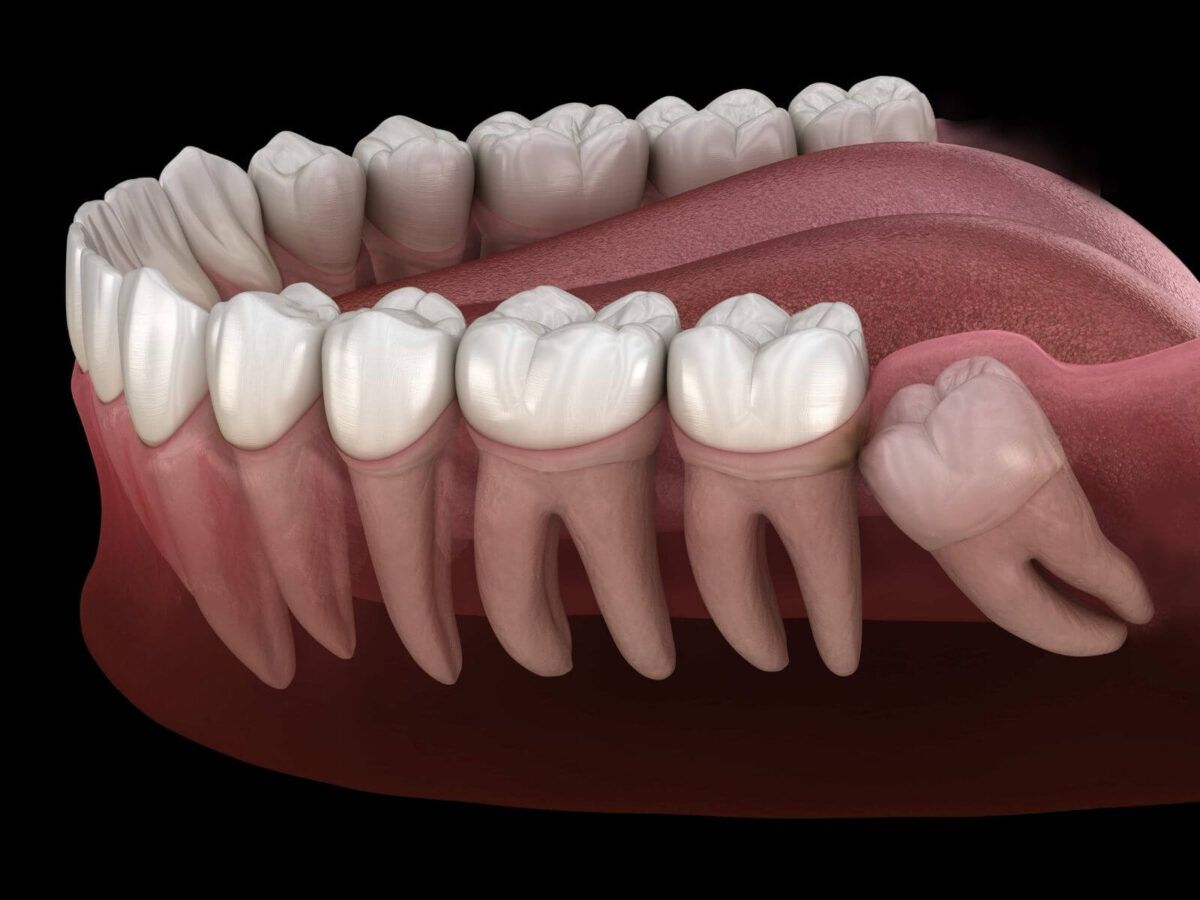
This is where things get more complicated. Some wisdom teeth erupt normally and never really cause problems. Others become impacted, which means they don’t fully emerge because there isn’t enough space. That’s extremely common, actually.
Research published through the National Institutes of Health notes that impacted wisdom teeth are among the most frequently occurring dental developmental issues in young adults. And when teeth become impacted, symptoms usually become more noticeable.
Why Wisdom Teeth Cause Problems So Often
One explanation researchers often mention involves changes in human jaw size over generations. Diet and evolution are believed to have reduced the amount of space available in the jaw, but wisdom teeth still continue developing normally.
The problem usually appears later when those final molars start erupting. A lot of mouths simply do not have enough room for wisdom teeth to erupt normally. When space becomes tight, pressure and impacted teeth become much more common.
Some People Never Get Wisdom Teeth at All
A lot of people assume everyone eventually gets four wisdom teeth, but that is not always true. Some people only develop one or two. Others never develop any at all. Dentists normally confirm this with X-rays during routine dental visits.
That is why not noticing the first signs of wisdom teeth coming in by a certain age is not always a bad sign. Sometimes there are simply no wisdom teeth there to erupt later.
What Dentists Usually Look For
When wisdom teeth start coming in, dentists pay attention to a few things. Whether there’s enough room. Whether the teeth are coming in straight. Whether they’re affecting nearby teeth or causing inflammation that keeps returning.
X-rays matter here because symptoms alone don’t always show the full picture. Someone can have impacted wisdom teeth without major pain initially. That’s part of what makes them unpredictable.
Research Shows Wisdom Teeth Issues Are Extremely Common
There’s a reason wisdom teeth removal is such a common procedure.
Studies suggest that impacted third molars affect a large percentage of young adults worldwide, with prevalence rates often reported above 60% in certain populations. That doesn’t mean everyone needs removal. But it explains why dentists monitor them closely once they start developing.
Does Everyone Need Wisdom Teeth Removed?
Many people hear “wisdom teeth” and immediately think extraction. In reality, it depends on how the teeth are growing. Some erupt normally, stay clean, and never cause issues. Others don’t.
Dentists usually decide based on how the teeth are growing and whether they are starting to create problems nearby. So it’s less automatic than people assume.
Why People Often Wait Too Long to Check Them
A confusing part of “when do wisdom teeth come in” is how unpredictable the symptoms can feel. Pain may appear for a few days, disappear completely, and then return again later. That gap in symptoms tricks a lot of people into thinking the issue has already passed.
In reality, wisdom teeth often erupt gradually over time, so the pressure tends to come and go in cycles.
A Few Numbers That Put It Into Perspective
- Wisdom teeth typically erupt between ages 17 and 25 (ADA)
- Impacted wisdom teeth are among the most common dental developmental conditions (NIH)
- Studies report impaction rates above 60% in some populations
- Those numbers explain why so many people end up talking about wisdom teeth at some point.
FAQs
When do wisdom teeth come in for most people?
Usually during young adulthood. Many people notice them sometime after high school years.
What are the first signs of wisdom teeth coming in?
Pressure in the jaw. Irritated gums. Tenderness near the back teeth. These signs often show up first.
Are all signs of wisdom teeth coming in severe?
No. Some wisdom teeth come in with very little pain at all.
Do wisdom teeth automatically need surgery?
No. Some remain harmless and never require removal.
Conclusion
Understanding “when do wisdom teeth come in” becomes a little confusing once you realize how unpredictable the process can be. Some people feel almost nothing while the teeth erupt. Others notice swelling, jaw pressure, headaches, or tenderness that keeps returning without much warning. The first signs of wisdom teeth coming in do not always feel serious in the beginning either. A lot of people ignore them because the discomfort fades temporarily before returning again later.
A lot of people wait until the pain becomes severe before getting wisdom teeth checked. But if you are already noticing signs of wisdom teeth coming in, even mild swelling or recurring soreness can be enough reason to schedule an exam and see what is happening underneath the gums.