Blog
Dental hygiene tips for healthy teeth & gums
Tooth Decay in Preschoolers: Causes, Signs, and Prevention Tips
Tooth decay in young children doesn’t always stand out right away. It doesn’t usually begin with pain. Most of the time, it starts quietly. Maybe a faint white spot. Or a small change in colour that’s easy to miss.
That’s usually how tooth decay in preschoolers starts. It happens slowly over time. The enamel weakens over time. Bacteria use sugars from food and drinks, and slowly, that leads to acid. That’s what begins to affect the tooth.
Preschoolers are more at risk than people think. Their enamel is thinner compared to adults, which means damage can happen faster, sometimes before anything feels wrong.
These early changes are often the first stage of early dental cavities. They don’t always look serious at first.
The Centres for Disease Control and Prevention reports that tooth decay is very common in children. Millions are affected each year.
Why Tooth Decay Happens So Early In Children
Most of what young children do during the day depends on adults. That includes brushing and eating habits. Because of this, small patterns can quickly turn into bigger issues.
Frequent snacking is one reason. They often eat in small amounts, but quite often. And each time sugary or starchy food is eaten, bacteria create acid. If this happens often, teeth remain under constant attack.
It can also come down to bedtime routines. Milk or juice before bed, without brushing after, can increase the risk of cavities in preschoolers. Saliva drops during sleep, so sugars don’t clear easily. Over time, this pattern can lead to early dental cavities.
There is also a behavioral side to this. Children often prefer sweet flavors. Snacks like biscuits, juices, or flavored milk become regular choices. Without proper cleaning afterwards, these habits quietly increase the risk of decay.
What Early Signs Parents Should Watch For
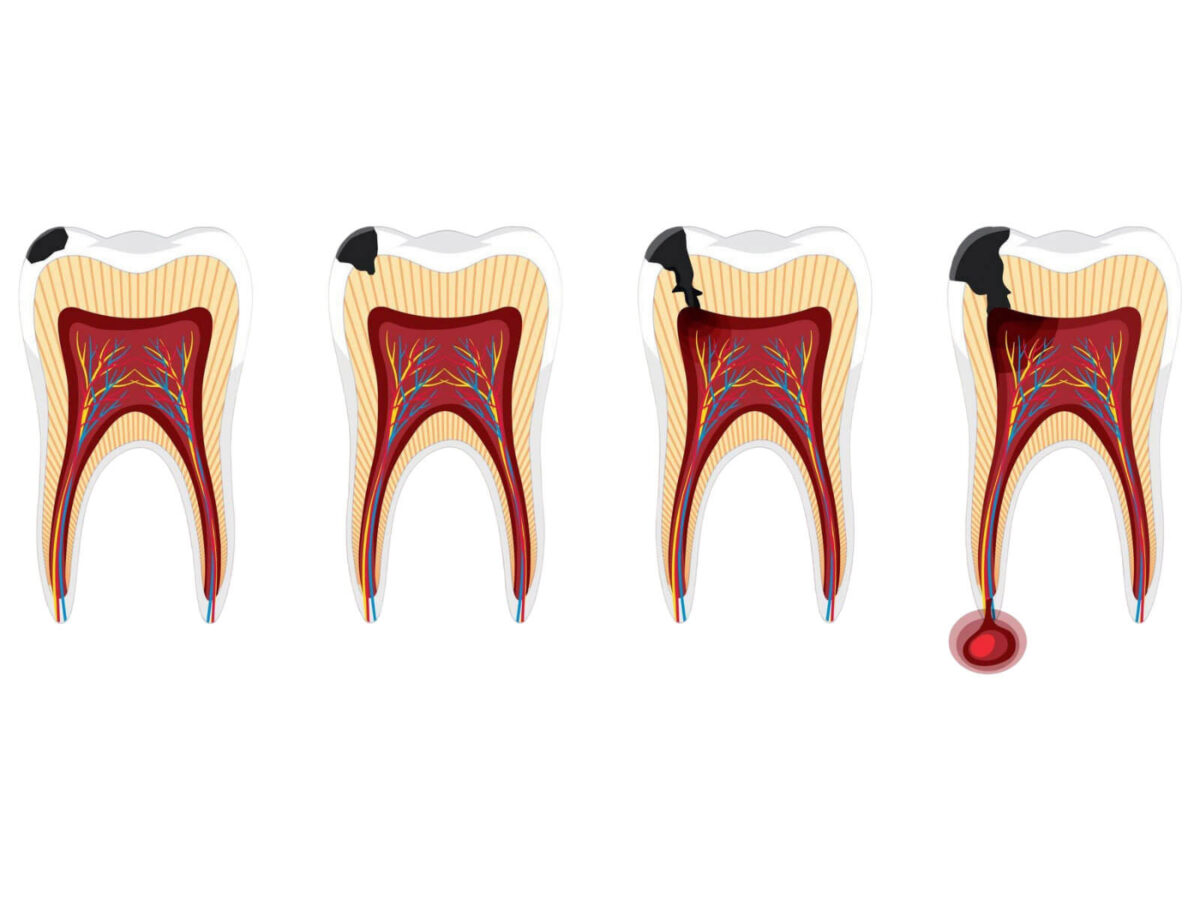
The early signs aren’t always clear. They can be easy to miss. At first, they don’t really stand out much. One early sign can be a white or chalky spot on the tooth. It often doesn’t seem important at first. But it means minerals are being lost from the enamel. At this stage, things may still be reversible.
As it progresses, the tooth can change more. Brown or darker spots may appear. Small holes can start to form. Some children may react to certain foods, even if they don’t say much about it. There can be small behavior changes too. A child might avoid chewing on one side or seem uncomfortable during meals. These signs often link to early dental cavities. Sometimes, even breath changes. If it doesn’t improve easily, it can point to bacteria.
Why Cavities In Preschoolers Can Progress Quickly
Children’s teeth are different in that way. The enamel is thinner. Everything underneath is closer. So it doesn’t take much for things to change.
A small mark doesn’t always stay small. What starts as a spot can turn into a cavity in less time than people think. It doesn’t always feel obvious at first. If decay keeps going deeper, infection can develop. That’s where early childhood cavities treatment becomes important. Catching it early usually makes things easier to manage.
Regular checkups help, mostly because small problems are easier. Children don’t always explain things clearly. They may not tell you it hurts. Not directly. Instead, it’s just small changes. Eating on only one side. They may just eat very slowly. It’s not obvious. Just feels a bit off, and that’s why it’s easy to miss at first.
How Early Childhood Cavities Are Treated
It comes down to how much it has progressed. If it’s early, fluoride can help. It works on the enamel and slows things down. Nothing too complicated. It’s done in a way that keeps the child at ease.
If things have moved further, more treatment may be needed. Sometimes crowns are used, or other options, just to protect the tooth. The aim of early childhood cavities treatment isn’t only fixing the problem. It’s also about stopping things from getting worse and helping the teeth develop properly. Dentists usually keep things gentle with children. A calm experience helps. It reduces fear and makes future visits feel easier.
Why Stopping Dental Problems Early Makes A Difference
It’s often easier to stop dental problems early than to fix them once they’ve started. Most of it comes down to everyday routines, the kind that seem small but really aren’t.
Using fluoride toothpaste morning and night helps control plaque. The thing is, young kids aren’t very careful with brushing, so a bit of help is usually needed. They miss spots, especially near the gums, and that’s where problems often begin.
Then there’s diet. When kids keep having sugary snacks or drinks, bacteria basically get what they need to grow. That’s when acids start forming, and slowly, early dental cavities can show up. Swapping those drinks for water here and there actually helps more than people think.
Regular dental checkups play their part too. Dentists can catch early signs of cavities in preschoolers and suggest early childhood cavity treatment before things progress.
Little things like this, done regularly, can help keep tooth decay in preschoolers away. Some days will be off; that happens. What counts is not giving up on the routine.
How Parents Can Build Healthy Dental Habits Early
It usually helps to start routines early. If brushing happens morning and night at about the same time, children begin to expect it after a while. It stops feeling like a task. Kids also tend to copy what they see. If parents brush regularly, children usually want to do the same. It becomes something shared, not forced.
Sometimes, making it a little fun helps. A short song, maybe a timer, even a small game. At first, it feels minor. It keeps them going for a little longer, which helps. Kids don’t always need much. Just a small push sometimes. A quick “good job” helps. Even picking their own toothbrush can make them a bit more interested.
All of this may seem small at first. But over time, it can help in reducing cavities in preschoolers.
FAQs
Why do preschoolers get cavities?
In most cases, it builds up slowly. Too many sugary snacks, brushing that isn’t done properly, or going to bed without cleaning the teeth can all play a part. It’s rarely just one thing.
What are early dental cavities in children?
They often start small. Sometimes just faint white spots on the teeth. Easy to miss. If nothing is done, they can turn into small holes over time.
How is early childhood cavity treatment done?
It really depends on how far things have gone. Sometimes fluoride is enough. Other times, a small filling might be needed. Dentists decide based on what they see.
Can young children avoid getting cavities?
Yes. Brushing regularly helps. Cutting back on sugar does too. And seeing a dentist once in a while makes things easier to manage.
Conclusion
Most of the time, dental problems in young children don’t appear all at once. They build up slowly. It develops slowly, and the early signs can be missed without realising it.
That’s why understanding tooth decay in preschoolers matters. It
helps parents notice those early signs before things get worse. Acting early usually makes things much easier to handle.
Even simple steps taken at the right time can protect a child’s teeth in the long run. It doesn’t have to be perfect, just noticed early enough.
Noticing something off with your child’s teeth? It’s probably worth a visit. Even small concerns, like early dental cavities, can be easier to handle when checked early. It also helps keep their smile on track as they grow.