Blog
Dental hygiene tips for healthy teeth & gums
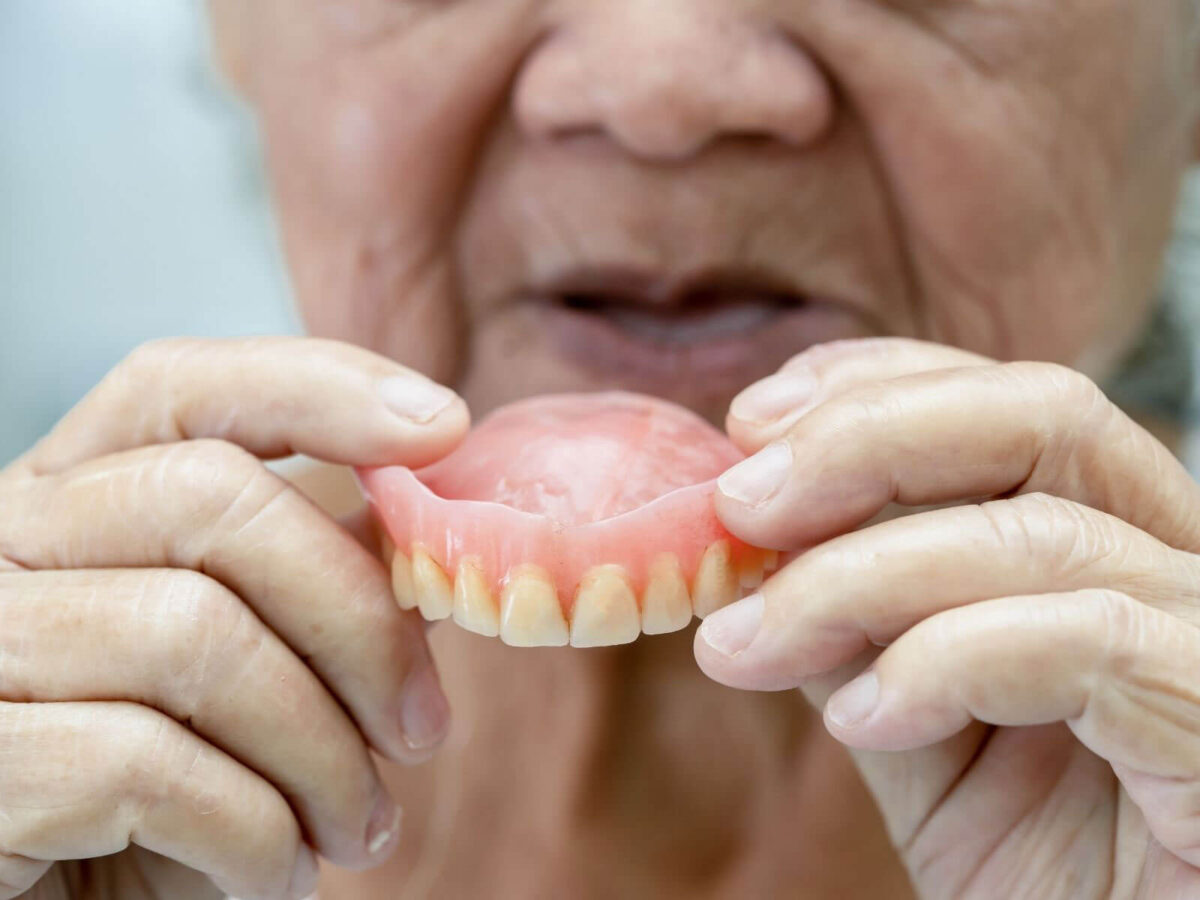
Do You Need Dentures? Key Signs and Your Treatment Choices
Dentures usually aren’t on your mind until something starts to feel different. It’s not sudden. More like small changes that show up and get ignored at first. Maybe chewing feels off, or a tooth doesn’t feel quite right. Nothing painful, just unusual enough to notice.
These can be early signs that you may need dentures, even if they don’t seem important at first. The thing is, these changes build up. Over time, they start affecting daily habits more than expected.
What Are The Signs You May Need Dentures
The early signs are usually easy to miss. Nothing too obvious at first, which is why most people don’t think much of them. Still, once you notice, they start to feel familiar. A common one is discomfort that comes and goes. Not sharp pain, just a dull kind of sensitivity that shows up with hot or cold food, then fades again. These can be early signs that you may need dentures, even if they don’t seem serious right away.
Another thing people notice is slight movement in a tooth. It may not feel like much, but teeth are supposed to stay firm. Chewing can also feel different over time. At some point, you may just stop reaching for harder foods. You might notice your gums acting differently. Slight bleeding and even pulling back can become visible. It may not feel like much right then, but it is still something to notice.
Why Do People Usually Ignore These Signs
Most people don’t ignore these signs on purpose. Life just gets busy, and small discomfort doesn’t always feel worth a dental visit. Instead, people adjust without thinking too much about it. They chew on one side. They avoid certain foods. They take it slow and hope things settle on their own.
The issue is, these changes don’t fix the cause. They only make it easier to live around the problem.
According to the CDC, tooth loss is still fairly common among adults, especially when early symptoms are not addressed in time. That pattern shows up more often than people expect. Recognizing “when do you need dentures signs” early can help avoid reaching that stage where options become limited.
When “Do You Need Dentures Signs” Become More Noticeable
At some point, these small changes stop feeling minor. That’s when it begins to show up in daily life. Missing teeth can shift how your bite works. The remaining teeth slowly move to fill the gaps, which creates uneven pressure. Over time, that can lead to more damage.
Speech can also feel slightly different. Certain words don’t come out as clearly, especially ones that rely on tongue placement against teeth. There’s also a visible side to it. Teeth help support facial structure, so when they’re missing, the face can start to look a little more sunken than before. These are often clearer “when do you need dentures ” signs, the kind that are harder to overlook.
What Happens When You Wait
At the start, it feels easy to just ignore it. You assume it’s fine to deal with later. There’s no real urgency. But things shift over time. After losing a tooth, the bone underneath starts to adjust. It happens since it’s not being used like it used to be. The change is gradual, easy to miss at first, but it doesn’t really stop once it starts.
The American College of Prosthodontists says millions of adults deal with tooth loss, and a lot of cases get more complicated just because treatment was delayed. As the bone changes, dentures may not fit as well later. What could have been simple can end up needing more adjustment.
When Should You Get Dentures Instead Of Other Treatments
Not every situation leads straight to dentures. Sometimes, individual teeth can still be saved with other treatments.
That said, dentures can be a better choice in some cases. When multiple teeth are already damaged or missing, treating each one separately may not give a stable result for a long time.
There’s also the question of time and cost. Some treatments require multiple steps over months, while dentures can provide a more direct solution.
Understanding “when should you get dentures” usually comes down to what will restore function in a way that lasts.
What Types Of Dentures Are Available Today
Dentures today are not as limited as people sometimes assume. There are a few different types, each designed for a specific situation.
If there are no teeth left in an area, full dentures are usually the way to go. They replace everything and sit on the gums. If a few teeth are still there, then partial dentures come in. They fill the spaces and keep the remaining teeth in place.
There are implant-supported options, too. These attach to implants, which makes them feel more stable. Mainly when eating or speaking. What works best depends on the affected teeth and the state of the bone.
How Dentures Help With Everyday Life
Dentures don’t just change how your smile looks. They affect how daily life feels. Eating becomes less of a concern. You stop worrying so much about what to avoid while eating. Meals start to feel more normal again. Over time, speech gets better too. Words feel clearer, and speaking doesn’t take as much effort. There’s also a change in confidence. Smiling starts to feel more natural.
What Research Says About Dentures
If you look at the research, it points in a similar direction. Replacing missing teeth can improve quality of life in noticeable ways. The National Institute of Dental and Craniofacial Research has mentioned this before. When tooth loss isn’t treated, it can impact nutrition and general health.
Studies from the National Library of Medicine also show that when dentures are fitted properly, they help with eating and talking. That’s why recognizing signs you may need dentures early can really help.
How Dentists Decide What Works Best
Dentists usually look at the full picture before recommending dentures. It’s not based on just one issue. They check how many teeth are affected and whether those teeth can actually be restored. Gum health and bone support also play a role. Patient comfort matters too. For some people, too many procedures just don’t feel worth it. They prefer something simpler. What matters is finding something that works now and still makes sense down the line.
Why It Helps to Keep Up With Dental Visits
Even if dentures are on your mind, don’t skip your dental visits. They help catch small things early. Stuff that could turn into bigger problems later. And once you have dentures, those visits help keep the fit right and things feeling normal.
FAQs
1. What are the common early signs that you may need dentures?
It usually starts small. Some discomfort, a loose tooth, or not feeling the same when chewing. Gums can change, too, maybe a bit of bleeding or pulling back.
2. So, when do the signs of needing dentures actually become serious?
When eating gets harder, or your face looks slightly different, that’s when it becomes harder to ignore.
3. When should you get dentures?
Mostly when several teeth are already too damaged or missing. And fixing each one won’t hold up well long term.
4. Do dentures ever start to feel normal?
Yes. It doesn’t happen instantly. But with a little time, they feel more natural.
Conclusion
The changes that lead to dentures rarely happen all at once. They show up gradually, often in ways that are easy to overlook.
But actually knowing the signs you may need dentures can help you catch things early. Way before they turn into something more difficult to manage.
Does something feel off lately? It is important that you get it checked. A simple visit to the dentist can give you clarity. It can help you figure out what comes next for your beautiful smile.