Blog
Dental hygiene tips for healthy teeth & gums
Dental Sealants: Pros, Cons, and Who Should Get Them
Dental care usually gets attention when something already feels wrong. A tooth becomes sensitive. Many people come for a regular checkup. During the exam, a cavity may be noticed. Sometimes a small chip or crack is noticed as well.
Preventive dentistry follows a different idea. Instead of fixing damage, dentists try to reduce the chances that damage will happen at all.
Dental sealants belong to that preventive approach. Dentists have relied on them for years as a way to protect molars from decay. The concept itself is simple. A thin protective coating is placed over the chewing surface of a tooth. That surface matters more than most people realize.
Parents sometimes hear about sealants during a child’s dental visit. At first, the suggestion can feel unexpected. If the tooth looks healthy, they may wonder why a coating is needed.
That question often leads to a discussion about the dental sealants’ pros and cons. Research gives some perspective here. The Centers for Disease Control and Prevention has looked closely at dental sealants. Their data shows these coatings can stop about 80 percent of molar cavities in children and teenagers. Dentists notice the difference over time. Teeth with sealants simply tend to develop fewer cavities.
What Dental Sealants Actually Do
Molars have chewing surfaces that look smooth from a distance. Up close, they tell a different story.
Those surfaces contain narrow grooves and small pits running across the enamel. The design helps grind food during meals. At the same time, it creates spaces where plaque can collect easily.
A toothbrush removes much of the plaque. But the deepest grooves are not always reached. Sometimes they just pass across the surface. Dentists see this pattern regularly during checkups.
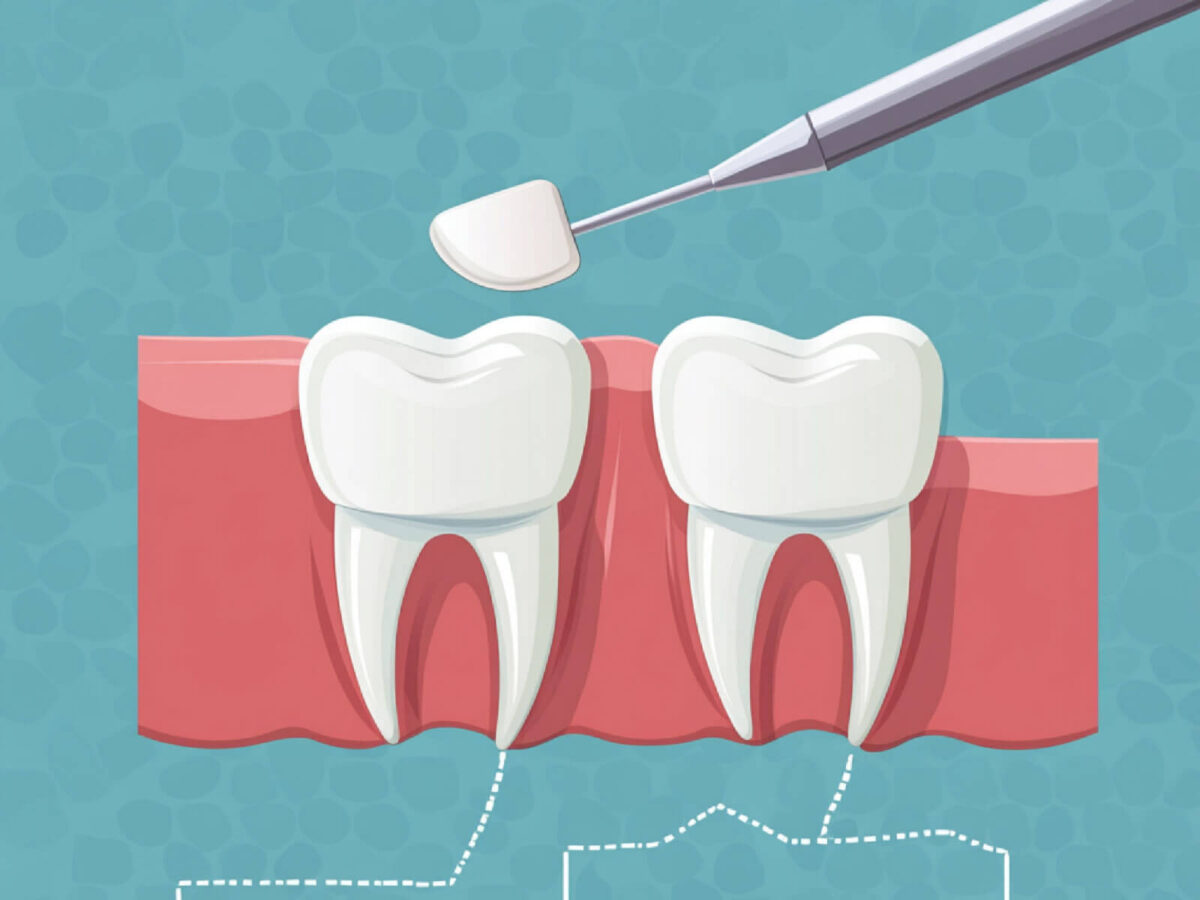
Sealants change that surface slightly. A liquid resin is applied across the chewing surface and allowed to flow into the grooves before it hardens. Once the material sets, the tooth becomes smoother.
Cleaning those areas becomes easier during everyday brushing.
That simple change is usually where dentists begin when explaining the pros and cons of dental sealants to patients.
How Sealants Help Protect Children’s Teeth
Children tend to benefit the most from sealants. Newly erupted molars are especially vulnerable during the early years. Permanent molars usually appear around ages six and twelve. At that stage, the teeth are still new, and their grooves are often deeper than those of older teeth.
Brushing habits are still developing as well. Even children who brush regularly sometimes miss the back molars. Dentists see this all the time. Sealants help during this stage. By covering the grooves early, dentists reduce the chances of bacteria settling there.
That is why discussions about dental sealants for kids’ pros and cons happen frequently during pediatric dental appointments. The goal is fairly straightforward: Protect the tooth before decay has a chance to begin.
The Advantages of Dental Sealants
Molars do most of the chewing in the mouth. Because they work so much, they are also the teeth where cavities tend to appear first. The biting surface contains small pits that easily hold bacteria. Sealants cover those areas with a thin layer.
Placing sealants is usually quick. Dentists do not drill the tooth. Numbing medicine is not needed either. The tooth is cleaned first. Then the sealant is painted onto the surface. A special light hardens the material. The whole step often takes only a few minutes.
There is also a practical reason people choose sealants. Treating cavities later usually costs more. For that reason, prevention often becomes the better choice. When families look at the dental sealants’ pros and cons, that lasting protection often stands out.
Possible Drawbacks to Consider
Sealants do have limitations. Like many dental materials, sealants can slowly wear down. Daily chewing puts pressure on the coating. Teeth grinding may also cause them to wear faster.
Sealants are checked at routine dental visits. Worn coatings can usually be replaced quickly. Patients sometimes ask about the materials. Patients sometimes ask what the sealants are actually made of. Resin-based sealants contain small amounts of certain chemicals, which occasionally raise questions.
Dental organizations have studied sealant materials carefully. Dental sealants are considered safe by the American Academy of Pediatric Dentistry. The group also notes that they help prevent cavities. Still, safety questions sometimes appear when discussing the pros and cons of dental sealants.
How Long Sealants Usually Last
Sealants hold up well, but they are not meant to be there forever. Many patients keep the protective coating for several years. Dentists often say around five to ten years. But habits like chewing or grinding can change that.
Every day behavior matters here. Grinding teeth or biting hard items may cause sealants to wear sooner. Regular checkups help dentists monitor them. At these checkups, dentists quickly check the sealants. If one seems worn, they might recommend replacing it. The process of replacing one is usually simple. In most cases, it only takes a brief dental appointment.
Are Dental Sealants Only for Children
Sealants are usually placed for children, although adults may receive them as well. Certain molars have deep grooves that have no cavities. But they can still be vulnerable. Dentists sometimes recommend sealants in those situations. Teenagers and young adults occasionally receive them as well. Preventive care does not stop after childhood.
When dentists explain the dental sealants’ pros and cons, they sometimes include adult patients in that discussion. What matters most is the condition of the tooth. Sealants are most effective when the tooth is still free of cavities.
When Sealants May Not Be Necessary
Sealants are helpful, though they are not always required. Some molars have relatively shallow grooves that are easier to clean with normal brushing. In those cases, sealants may provide only a limited benefit.
Dentists also examine whether decay has already begun. A cavity usually means a filling comes first. Dentists take a look at each tooth and decide if sealants are actually needed. They also keep the pros and cons of dental sealants in mind.
How Preventive Dental Care Helps
Preventive care in dentistry sometimes receives less focus than treatments used to repair teeth. Many people wait until pain or discomfort appears before visiting the dentist. Sealants represent another way of thinking about dental care. Instead of waiting to fix problems, they focus on reducing the chances of cavities developing.
Protecting molars early can help patients avoid fillings or more complicated procedures later in life. That does not replace brushing or flossing, of course. Sealants simply add one more layer of protection.
When families know the dental sealants for kids, this main benefit is often what influences their decision.
FAQs
What do sealants help with?
Sealants ensure that molars are not subjected to decay and damage.
Are they safe for children?
Yes. Dental experts consider them safe.
How long do they stay on teeth?
They often have to stay for several years.
Do adults ever get sealants?
Yes, adults can get sealants. Especially if their molars are prone to decay.
Conclusion
Cavities often start in molars. The eating surface of these teeth has small pits that can trap food. A toothbrush does not always reach the bottom of those tiny grooves. Dental sealants are placed over them. The coating helps prevent bacteria from building up.
Some parents want to know the dental sealants’ pros and cons. They just want to be sure about it first. Sealants can cover molars that are harder to keep clean. The coating does not last forever. With time and daily eating, it may slowly wear away.
At the visit, dentists mention the pros and cons of dental sealants. That explanation helps families decide whether sealants are the right step for those teeth.