Blog
Dental hygiene tips for healthy teeth & gums
Dental Sealants for Kids: Benefits, Cost, and How They Work
Most Cavities in Kids Don’t Start the Way Parents Expect
A lot of parents assume cavities come from obvious things. Too much candy. Not brushing for days. Soda all the time. And yes, those things matter, obviously. But sometimes cavities show up even when parents are trying pretty hard to keep things under control. That’s the frustrating part.
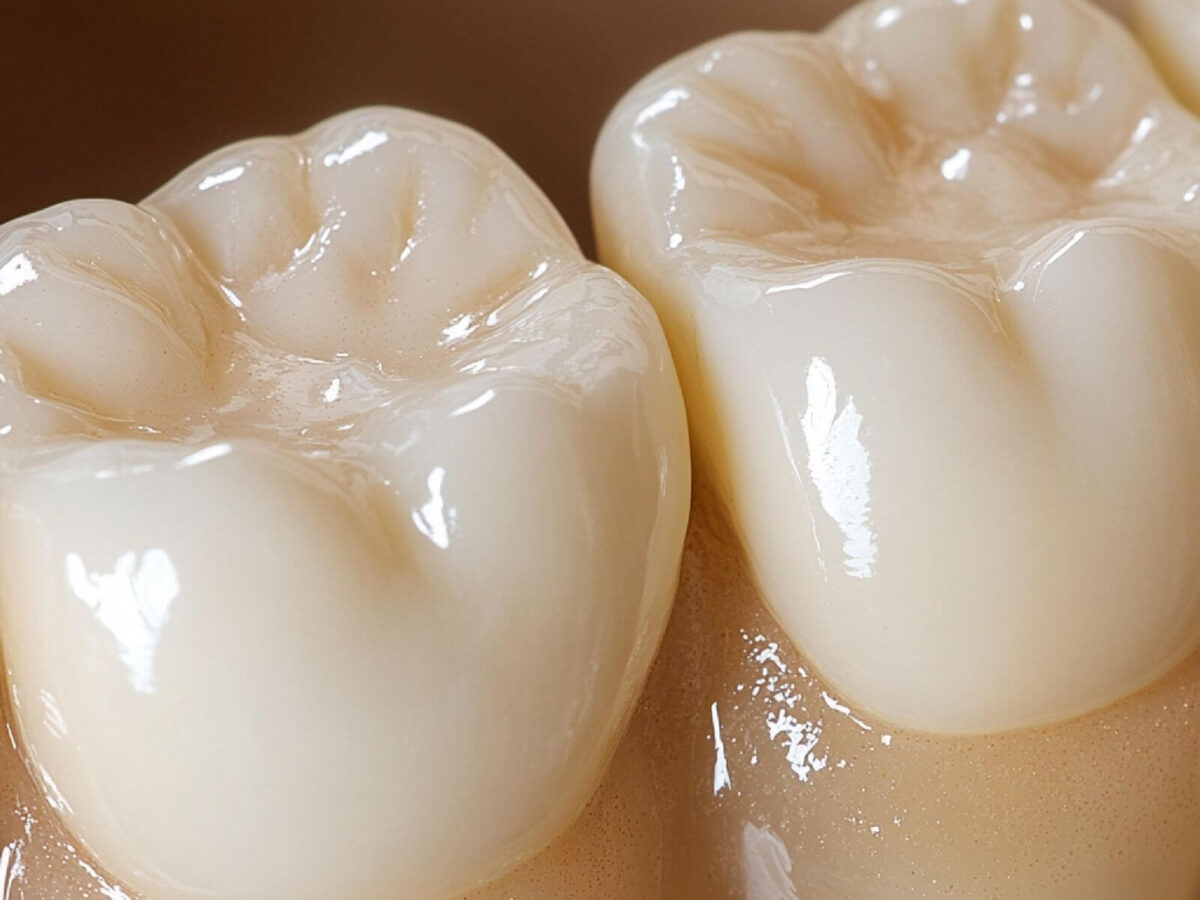
Children’s molars, especially the back teeth, naturally have deep grooves. Food and bacteria settle there easily, and honestly, kids are not always great at brushing those areas properly, no matter how many reminders happen every morning.
This is usually why dental sealants for kids come up during regular checkups. Dentists are often trying to reduce cavity risk before anything painful happens.
What Dental Sealants Actually Do
When parents first hear the word “sealant,” it sounds heavy or permanent, almost like something major is being attached to the tooth. But dental sealants are actually just thin protective coatings placed over the chewing surfaces of back teeth. Mostly molars.
The purpose of sealants is mainly protective. Back teeth contain narrow grooves that children often miss while brushing. Over time, those spots can become areas where cavities start developing. Sealants create a thin covering over the surface to help reduce that risk.
The appointment itself is usually quick and uncomplicated. Most children sit through it without much difficulty.
Why Back Teeth Cause So Many Problems in Kids
Molars are difficult even for adults sometimes. Now imagine a child trying to clean them properly every day while rushing before school or getting distracted halfway through brushing. It’s easy to see why cavities happen there first.
CDC findings show that school-age children without sealants develop far more cavities than children who have them. The difference is close to three times higher. That number surprises a lot of people because sealants sound optional at first. But dentists recommend them so often for a reason.
The Appointment Is Usually Faster Than Parents Expect
This part matters because a lot of parents assume it’s going to be difficult. It usually isn’t. The appointment usually begins with cleaning the tooth surface thoroughly. A special solution is then used for a few moments before the sealant is applied.
A thin layer of sealant gets applied to the molar first. Then a curing light is used so it sets within seconds. No injections or drilling in most cases. Some kids barely realize the appointment has started before it’s over. And honestly, that simplicity is part of why sealants work so well as preventive care.
The Benefits of Dental Sealants for Kids Go Beyond Just Cavities
Cavity prevention is usually the first thing parents hear about sealants. Still, the effects often go further than that. Children who avoid decay early may also avoid more difficult treatments later, including fillings or longer procedures that make some kids nervous about returning.
A lot of the benefits of dental sealants for kids come from
preventing bigger dental problems later. Children who have easier appointments early on often feel less nervous about future visits too.
They Work Best Before Problems Start
Dentists generally suggest dental sealants for kids once the permanent back teeth start coming in, usually during the elementary school years. The idea is to protect molars before cavities have time to form. Since those teeth contain narrow grooves that are difficult to clean properly every day, bacteria can build up there pretty easily over time. Sealants help cover those areas while the teeth are still in good condition.
Waiting until decay starts changes the situation completely. It’s kind of like putting a phone case on after the screen cracks. Still useful maybe, but not nearly as helpful as doing it earlier.
What Research Actually Says About Sealants
This isn’t one of those treatments dentists suggest casually. There’s a lot of research behind it.
According to the CDC, sealants prevent around 80% of cavities in molars for the first two years after placement and continue reducing risk for several years after that.
Research published through the National Institutes of Health also found that sealants help lower cavity rates on the chewing surfaces of children’s teeth. Those back molars are usually where decay starts most often. That is one reason dentists recommend sealants so regularly during childhood.
The treatment itself may seem simple during the appointment, but there is strong research behind why it gets recommended so often.
Why Families Ask About Sealant Safety
Questions about safety usually begin after parents hear unfamiliar dental terms or read alarming claims online. A lot of information gets shared without much explanation behind it. That naturally makes some families hesitant.
Major groups such as the CDC and the ADA continue supporting dental sealants for children. That information often helps parents feel more certain about moving forward.
What Families Usually Pay for Dental Sealants
The price varies more than people expect. It depends on location, insurance, and how many teeth are being treated. In many cases, insurance covers sealants for children because they’re considered preventive care.
The cost of sealants without insurance is commonly somewhere between 30 – 60 dollars for each tooth. It is understandable why some families wait. If nothing looks wrong yet, preventive treatment may not feel urgent. The problem is that fillings and other dental procedures later are often more stressful and more expensive.
What Makes Some Children More Likely to Need Sealants
Not every child has the same cavity risk. Some naturally have deeper grooves in their molars. Some snack more often. Some struggle with brushing consistency despite everyone’s best efforts. That’s why dentists sometimes recommend sealants more strongly for certain children. It’s not about judging habits. It’s about reducing risk where risk already exists.
Why Prevention Feels Less Important Until You Need Treatment
This happens with almost every preventive dental topic. If nothing is wrong yet, it’s easy to delay things. A child seems fine, the teeth look okay, and life gets busy. But cavities in children can develop faster than many parents expect. And once treatment becomes necessary, the appointments become longer, more uncomfortable, and more expensive. That’s usually when prevention suddenly makes a lot more sense.
A Few Numbers That Put It Into Perspective
- According to the CDC, children without sealants develop almost three times more cavities
- CDC data also shows sealants can prevent 80% of molar cavities during the first few years
- An NIH review found that school sealant programs help reduce untreated tooth decay in children
- Seeing all of those findings together makes the benefit feel much more real.
FAQs
What are dental sealants for kids exactly?
They are protective layers added to the chewing surfaces of molars.
Why are dental sealants suggested?
They help protect back teeth that children often miss while brushing.
Do sealants hurt during the appointment?
The process is pretty simple. Most kids barely react to it.
How long do sealants last?
Quite a while for many children, though dentists still monitor them over time.
Conclusion
Some parents are unsure about dental sealants for kids in the beginning because the treatment itself sounds so simple and routine. But molars are difficult teeth to clean properly, especially once children start brushing on their own more often. Food gets trapped there pretty easily. Cavities usually do too.
That is really where the benefits of dental sealants for kids start becoming easier to understand. Sealants cover the deeper grooves before decay has the chance to start building. The process itself is quick and does not involve drilling or complicated treatment.
If your child’s permanent molars are coming in now? This may be the right time to ask about sealants during a dental visit. Catching problems early is usually simpler than dealing with cavities after they grow deeper.