Blog
Dental hygiene tips for healthy teeth & gums
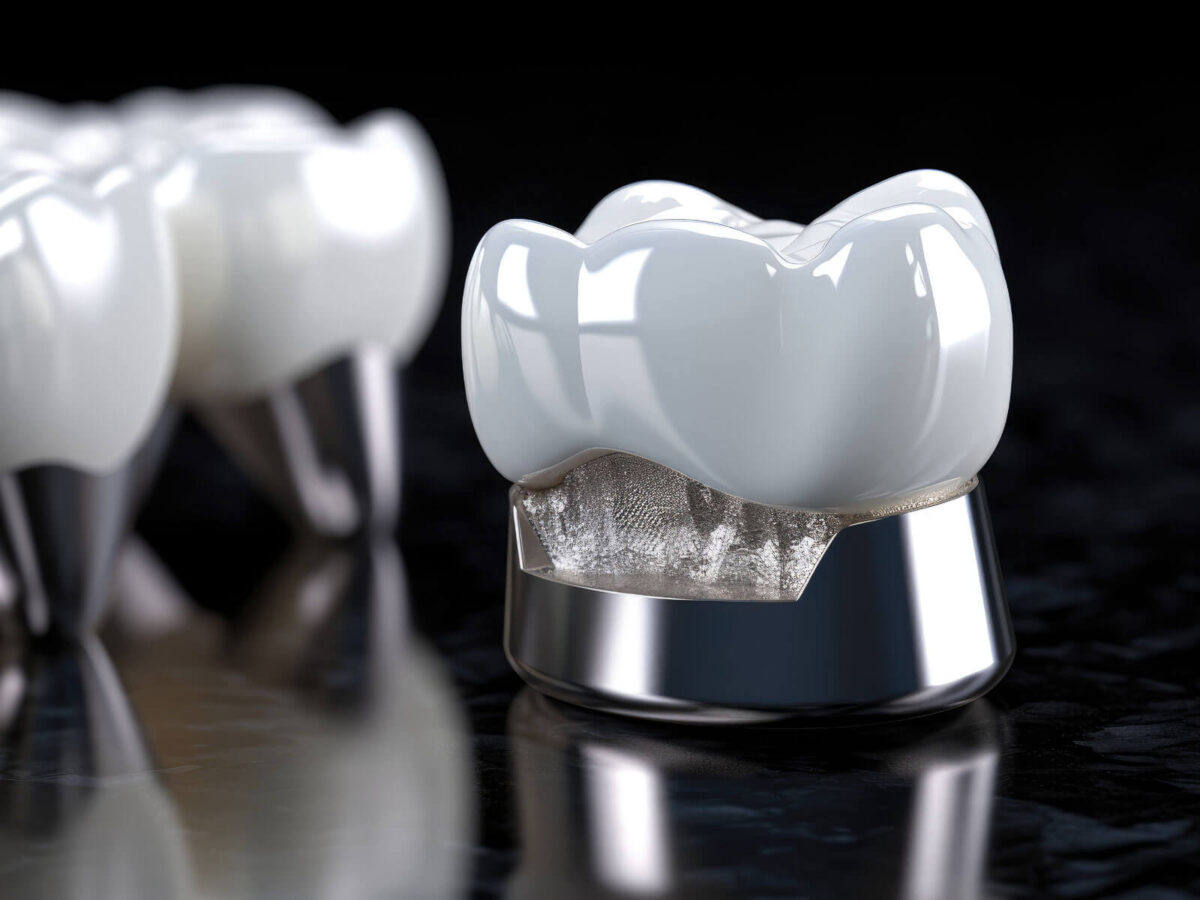
Different Types of Dental Crowns and Their Advantages
Most people think of a dental crown as just a cap. It is a simple way to explain it, though the process is a bit more detailed. The crown sits over the whole visible part of the tooth. It is used when a filling is no longer enough to support it. Around this stage, dentists usually go through the types of dental crowns to decide which fits best.
This kind of situation comes up fairly often. A tooth can crack after years of chewing pressure. Decay may remove a large portion of the tooth. Teeth that have been treated with a root canal can sometimes become weaker. In these cases, a crown may be placed to protect the tooth and restore function.
The process itself is relatively simple. The dentist reshapes the tooth slightly. A crown is then fitted over it. Once secured, it restores the tooth’s strength and shape and allows normal chewing again.
The American Dental Association notes that crowns are frequently used to restore teeth that fillings alone cannot repair.
Why Dentists Use Different Types Of Dental Crowns
It is common for patients to think that every dental crown is the same. In practice, there are several types of dental crowns available. Each one uses a different material, and those materials perform differently in the mouth.
Some crowns are chosen mainly for their appearance. They blend with natural teeth and are commonly placed on front teeth. Others are chosen for their strength. This becomes important for molars that experience heavy chewing forces.
Dentists usually evaluate a few details before choosing a material. The location of the tooth matters. Front teeth often require a natural look. Molars need durability instead. Bite pressure matters as well. Dentists also evaluate gum health and the amount of remaining tooth structure.
What Porcelain Dental Crowns Are
Dentists often go for porcelain crowns for their natural look. The material reflects light much like real enamel. Because of that, the crown tends to blend well with nearby teeth.
Dentists often use porcelain for front teeth. These teeth are noticeable during a smile or conversation. If the crown blends well with nearby teeth, the smile usually appears more natural.
Porcelain keeps its colour well. Strength can sometimes be a limitation. Back teeth deal with stronger chewing pressure every day. In those areas, dentists may recommend a stronger material.
Why Dentists Continue Using Porcelain and Metal Crowns
These crowns use a combination of metal and porcelain. The metal forms the foundation of the crown. Porcelain is placed on top to cover the outside.
This design offers a balance between strength and appearance. The metal base provides durability. The porcelain exterior gives the crown a natural colour.
For many years, these crowns were among the most common types of dental crowns. Dentists still use them today in situations where both strength and aesthetics are needed.
One drawback can appear over time. Gum recession can sometimes reveal a thin metal edge near the gumline.
What Sets Ceramic Crowns Apart
These crowns are created using only ceramic materials. No metal is used. They are crafted using highly sophisticated ceramic materials that are used to restore teeth.
Ceramic crowns are very popular among patients since they appear very natural. The light penetrates through the material in a manner that is similar to an actual enamel. This aspect makes them a favourite for visible teeth.
Ceramic crowns are also useful for patients who want metal-free dental restoration. New ceramic substances are more robust than the old ones, and that is why they can be utilised in more areas of the mouth.
Why Gold Crowns Are Still Considered Strong
Gold crowns can seem unusual today. Some people even think they are outdated. Dentists often disagree. Gold alloys have been used for decades. They handle chewing pressure well and usually last for many years.
Many dentists value gold crowns for their strength. The material holds up well under chewing pressure and is not likely to chip or crack easily. Another advantage is that gold tends to be gentler on the teeth it contacts compared with certain ceramic crowns.
For these reasons, gold crowns may be placed on molars. These teeth are found at the back of the mouth. Strength tends to matter more there than how the crown looks.
How Zirconia Crowns Combine Strength And Appearance
Dentistry has seen more use of zirconia crowns in recent years. They now include zirconia among the types of dental crowns used to repair teeth. The material is a strong dental ceramic. It was developed to handle the pressure that teeth experience during normal chewing.
Strength is one reason dentists choose zirconia. The material tends to last well over time. It is also less likely to chip or crack than some ceramic materials.
Another benefit of zirconia is its appearance. The crowns can be shaped and colored so they blend with the surrounding teeth. Because of this, they may be placed on both front teeth and molars. Dentists often value zirconia for its strength as well as its natural-looking result.
How Dentists Choose The Right Crown Material
Selecting a crown involves more than choosing a material. Dentists usually examine the tooth first. Each tooth has its own condition. Their condition often affects the final choice.
One of the first things dentists examine is how much of the tooth remains. When the structure is badly damaged, a stronger crown may be needed. Bite alignment and chewing pressure are also part of the evaluation.
The tooth’s position in the mouth matters as well. Front teeth need crowns that look natural. Molars require durability. Dentists consider these points together. Based on that, they chose one of the types of dental crowns for the case.
What Helps a Dental Crown Last Longer
A dental crown is not meant to be temporary. In many cases, it can last for years. Some crowns remain in place for more than a decade when they are well-maintained.
How the mouth is cared for day to day can influence the life of a crown. Healthy gums help support the tooth and the restoration on top of it. Dental checkups are helpful too. Dentists use those visits to examine the crown and notice early signs of wear.
The National Institute of Dental and Craniofacial Research has mentioned this too. Dental restorations often remain stable for longer periods. Healthy oral habits matter. Dental checkups play a role too.
FAQs
What types of crown materials do dentists use?
Several materials are used for crowns today. Some are made from porcelain or ceramic. Others include a metal base with porcelain on top. Gold and zirconia are sometimes chosen as crown materials.
Why are different crown materials used?
Dentists look at the condition of the tooth first. Strength may be important for back teeth. Appearance may matter more for front teeth. The amount of chewing pressure also plays a role.
How long can a crown put up?
Most crowns are designed to last for many years. Many remain functional for ten to fifteen years. Some last longer depending on care and the health of the surrounding tooth.
What kind of crown blends best with natural teeth?
Porcelain and ceramic crowns are often used in visible areas. They usually resemble natural teeth more closely.
Conclusion
Dental crowns represent an extensive application of restoring decayed, broken or over-restored teeth. They save the tooth and contribute to restoring normal functioning. By learning the types of dental crowns and their benefits, the discussion of the treatment can be simpler. Crowns have the potential to ensure a long-term oral health.
Do you think your tooth is weak or damaged? It may help to talk with a dentist. They can explain the different types of dental crowns. They can also help decide which one may work best for protecting the tooth.