Blog
Dental hygiene tips for healthy teeth & gums
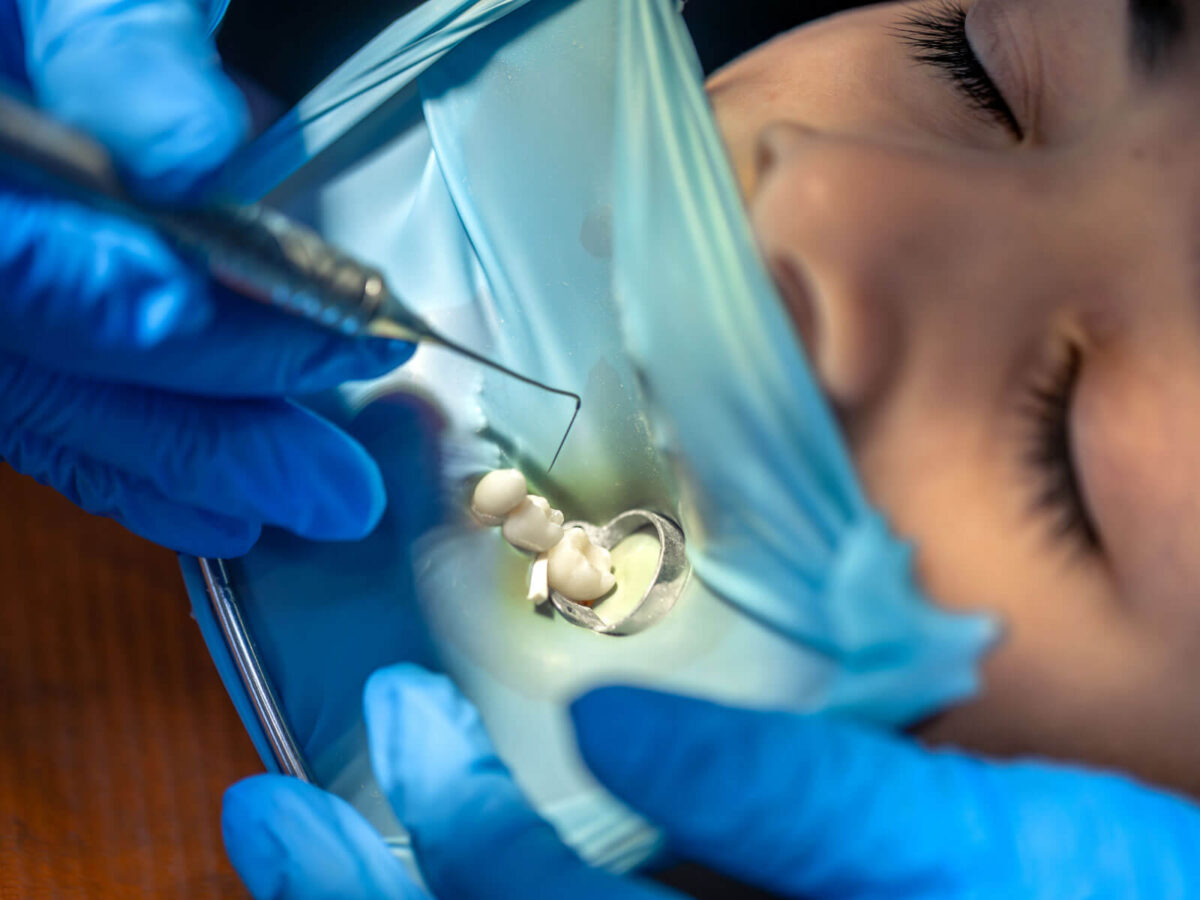
Dental Inlay vs. Filling: Differences in Cost, Procedure, and When Each Is Right for You
I’ve had a friend walk out of a dental appointment expecting a filling and leave with a treatment plan for an inlay instead. Higher cost, two appointments instead of one, and no real explanation for either.
The dental inlay vs filling conversation usually comes down to one thing: how much tooth survives once the decay’s out, and whether it can handle a normal bite on its own. A filling covers it most of the time. When it can’t, an inlay usually takes over from there.
What Really Is a Dental Filling
By the time decay’s been drilled out, there’s a hole where the tooth used to be. A filling exists to close it back up.
Getting one takes a single visit. The area gets numbed, the decay drilled out, and the space packed with composite resin or amalgam before it’s shaped and left to harden.
This works well for small to moderate cavities, the kind with plenty of healthy tooth still surrounding the damage. Composite doesn’t last as long as amalgam, though neither lasts forever. Every time one gets replaced, a bit more of the original tooth is removed along with the old filling.
Bigger cavities are where fillings start to struggle. Back molars especially, since they carry most of the chewing load. Pack composite into something wide and deep, and there isn’t enough tooth structure left to hold it all together, which is usually where cracks start to show up.
What Is a Dental Inlay
An inlay is basically a filling made outside the mouth first, then bonded in once it’s shaped right. It sits inside the tooth without covering the cusps on either side.
The dentist preps the cavity and takes an impression or scan of it. That goes to a lab. In the meantime, a temporary filling sits in the tooth until the real one’s ready.
When the lab-made piece comes back, usually within one to two weeks, the temporary comes out, and the permanent inlay gets bonded in. It reinforces the surrounding tooth structure in a way packed composite can’t quite match.
Direct composite fillings cure right inside the mouth, and that curing process causes some shrinkage as the material sets. Indirect composite inlays get a secondary cure outside the mouth, which improves how fully the material sets and cuts down on the side effects of that shrinkage, according to a review published in PMC. The seal against the tooth ends up tighter because of it.
When Is An Inlay Often Suggested Over a Filling
Size is the main factor. A cavity contained within the center of the tooth, without spreading toward the cusps, usually still qualifies for a regular filling.
Damage that outgrows a filling’s limits calls for something more durable. Cleveland Clinic points to inlays and onlays as the option once a tooth has more damage than a filling can handle, but not enough to require a full crown.
Old, failed fillings are another common trigger. When a filling has already given out once and covers a large part of the chewing surface, replacing it with another filling just sets up the same failure again.
Tooth inlay vs filling decisions also come down to location. Cavities between two teeth, where the surfaces touch, tend to respond well to an inlay because of how precisely it can be shaped to seal that space.
How Does the Tooth Inlay vs Filling Procedure Actually Work
A filling is done in one appointment. Decay comes out, the material goes in, the bite gets checked, and it’s over.
An inlay isn’t finished in a day. The tooth gets prepped and an impression sent off to a lab, so there’s a wait built into the process no matter what. A temporary sits in the tooth in the meantime. Not a permanent fix, just something to hold the space until the real piece comes back.
Weeks later, or sometimes just days with the right lab, the actual inlay arrives. It gets tried in, checked against the bite, adjusted if needed, then cemented into place.
A few offices skip that wait entirely. Chairside machines can mill an inlay right there and cement it the same day, though plenty of practices still don’t have that setup.
How Do the Costs of Inlays vs Fillings Compare
Fillings stay cheaper because there’s less involved in making one. No lab, no second visit, just material packed into the tooth and shaped on the spot. Expect somewhere around $150 to $300 for a composite one, and insurance usually picks up most of that.
An inlay is a different kind of expense. Someone has to make it before it ever touches your mouth, and that labor shows up in the price. $650 on the low end, $1,500 if you’re going with porcelain and a more involved case.
Insurance treats the two differently, too. A filling falls under basic care, generally covered at 80 percent. An inlay often gets grouped with major work instead, closer to what a crown would get, which usually means covering half.
Run the math over twenty years, and the story changes. Replace a filling two or three times, and the total can pass what one inlay would have cost from the start.
How Long Does Each Restoration Actually Last
A composite filling holds up for a while, but not forever. Healthline reports that these fillings last about seven years on average, though smaller ones with good care can stretch past ten.
Gold tells a different story. The same source notes the ADA puts gold fillings at 20 years or more, and ceramic ones, which is what most inlays are made from, often reach 15 years or beyond.
That gap matters more on molars, where chewing forces wear things down faster. A filling doing double duty on a back tooth rarely lasts as long as one tucked into a spot with less pressure.
Replacing a filling every seven to ten years adds up, and each replacement removes a little more of the tooth in the process. An inlay placed once, if the material and fit hold up, avoids that cycle for a much longer stretch.
What Materials Are Inlays Made From
Most inlays placed today are porcelain. Dentists reach for it because it blends into the tooth and doesn’t stain the way composite eventually does.
Gold lasts the longest. Nobody’s picking it for looks anymore, but on a back molar where nobody sees it anyway, it’s still the material dentists trust most for going the distance.
Then there’s composite resin, the cheapest of the three. A patient with a grinding habit isn’t necessarily worse off choosing it either. Ceramic can crack under that kind of pressure. Composite just gives a little.
FAQ
Do dentists sometimes pick a filling over an inlay anyway?
Yes. Some dentists default to fillings for speed and simplicity even when the cavity size would make an inlay more structurally appropriate. If you want a second opinion, ask how much healthy tooth will actually be left once the decay comes out. It’s usually the question that settles the whole thing.
Does getting an inlay hurt more than a filling?
No. Numbing is standard for both, so you won’t feel the actual procedure. The temporary can feel a little off when you bite down, just until the permanent one replaces it.
Is an inlay the same as a partial crown?
Not quite. That term usually describes an onlay, since it extends over one or more cusps. An inlay stays inside them. Neither one covers the whole tooth down to the gum line as a full crown does.
Will insurance cover an inlay?
Depends on the plan. Some treat it as major work and only cover half, others count it under basic coverage instead. Your dentist can send a predetermination request before treatment so you’re not guessing at the final bill.
Conclusion
There isn’t much mystery to the dental inlay vs filling choice once you break it down. A small cavity with plenty of healthy tooth left goes to a filling. Once the damage spreads and the walls start thinning out, an inlay usually takes over from there.
I’d bring this up with your dentist before the drill comes out, not after. Two questions cut through most of the confusion around tooth inlay vs filling. How much of the tooth survives the prep work? And does filling in that exact spot have any real chance of holding for years?
Next cleaning, ask your dentist those two questions and see what they say.