
Blog
Dental hygiene tips for healthy teeth & gums
Emergency Root Canal: When You Need It and What to Expect
When a Toothache Becomes an Emergency
Some toothaches are manageable. Others don’t let you rest at all. If you’ve ever held an ice pack to your cheek at midnight hoping for relief, you know the difference. That level of pain usually isn’t something that settles on its own.
When the inside of the tooth gets involved, it can turn bad quickly. There’s barely any room in there to begin with. So when swelling starts, it just builds. That’s why the pain doesn’t really let up.
That’s usually when an emergency root canal becomes necessary, not optional. It removes the infected tissue and stops the pressure from building further. Waiting can make things worse and more complicated. The purpose of emergency root canal treatment is simple: relieve the pain and control the infection before it spreads.
Why the Pain Feels So Bad
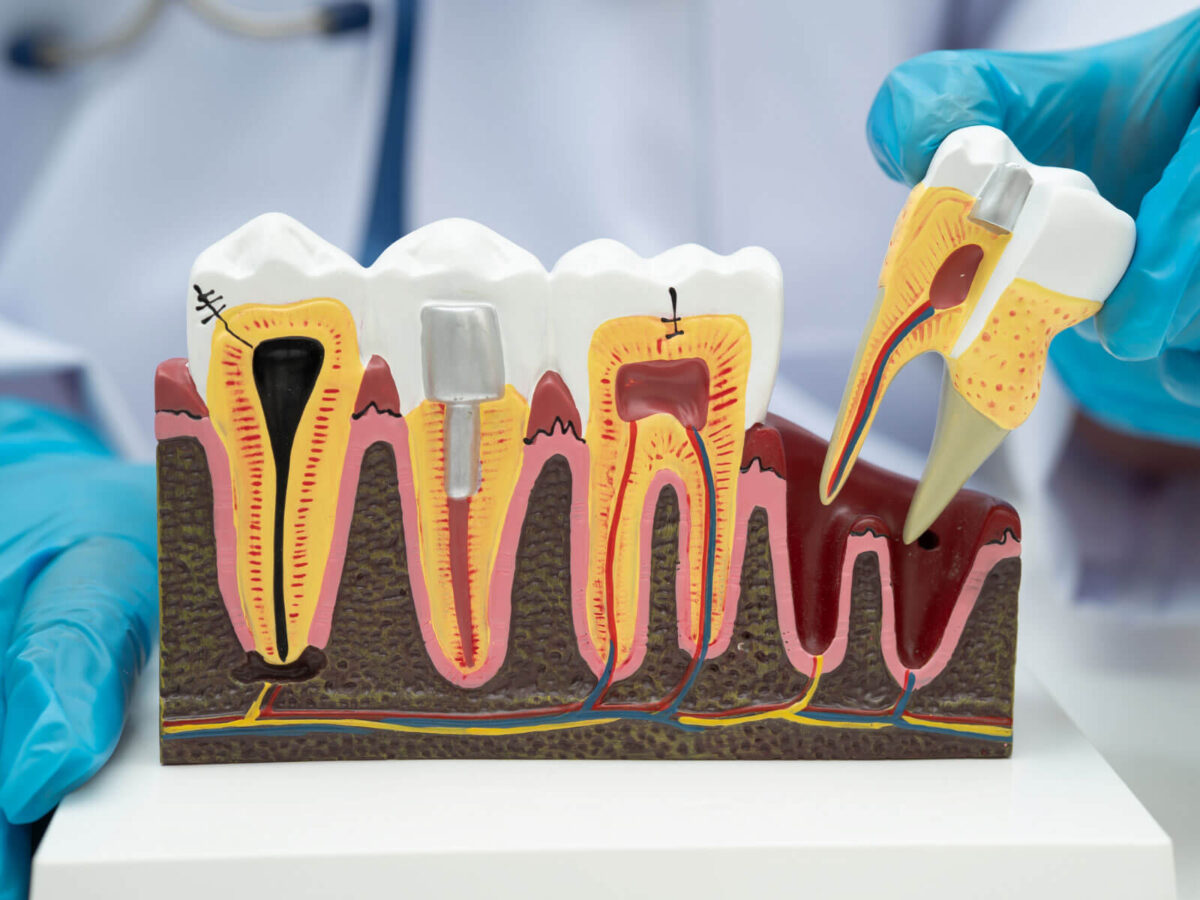
Inside your tooth is a small, closed chamber. When the pulp becomes infected, it swells. And because the tooth can’t expand, the swelling compresses nerves. That compression is what makes the pain feel so severe, often described as throbbing or pressure that pulses with your heartbeat.
A tooth with this kind of internal pressure often doesn’t respond to ordinary painkillers alone. The American Association of Endodontists notes that untreated pulp infections can lead to abscess formation and bone involvement if not treated promptly. That’s why an emergency root canal is about removing the source of pressure, not just covering symptoms.
Patients sometimes tell me they were surprised, “It hurt so much, but the tooth looked fine.” That’s common. The outside appearance can be misleading. Inside, things can be inflamed and infected for a while before the jaw shows obvious swelling.
How This Can Happen Suddenly
Sometimes a cavity doesn’t bother you for months. You forget it’s even there. Then suddenly, something hot hits the tooth, and the pain comes as a shock to you. What feels like a sudden change is usually the result of bacteria moving deeper inside, closer to the root.
Trauma can also cause a sudden crisis. A crack in the tooth, a hard bite, or a recent dental restoration that didn’t seal perfectly can let bacteria access the pulp, sometimes months or even years after the original work. According to studies, Coronal leakage (bacteria getting in through an imperfect seal) is a known factor in post-treatment disease.
So the “sudden” emergency often has a quiet backstory. The infection brewed slowly; you just didn’t feel or see the early signs. When it turns into an emergency, it’s because your body is trying to contain an infection inside a structure that can’t accommodate swelling.
What an Emergency Root Canal Treatment Actually Involves
The words “root canal” tend to make people uneasy, but emergency root canal treatment is usually more practical than dramatic. The first priority is getting you comfortable. Once the area is numb, the pressure inside the tooth usually starts to settle. A lot of people notice relief fairly quickly. Part of that is because the nerve isn’t reacting the same way anymore, and the infected material is being removed.
The next step involves accessing the inside of the tooth and clearing out the damaged pulp. The inside is cleaned properly. It is done by using small instruments and cleansing solutions to reach deep into the canal space. If swelling or an abscess is present, it is drained to reduce pressure. In some cases, everything can be done in one visit. Other times, the tooth is sealed for now and completed later. It really comes down to how advanced the infection is.
When it’s urgent, the importance is given to relieving the pain and getting the infection under control. The cosmetic work can be handled later. You may go home with a temporary filling. After that, you need to schedule another visit for the permanent crown. It is done after the tooth has had time to settle.
What You Can Expect Quickly After Treatment
Relief usually comes sooner than people expect. Once the infected material is removed, the heavy pressure that caused the emergency often fades within hours. That deep pulse of pain is often what fades first.
The tooth won’t immediately feel like nothing happened. There’s usually some constant tenderness. Chewing may feel a bit awkward for a short while as well. Simple pain relief is often enough to handle it. If swelling is more than mild, antibiotics may be given in addition to the emergency root canal treatment to help control the infection as the area calms down.
The last step still matters. A crown or permanent filling reinforces the tooth and helps prevent new contamination. Skipping that restoration is one of the main reasons previously treated teeth develop problems later on.
How Long Recovery Takes, and When to Call Back
Most people can tell within a day or two that things are settling. The pain shouldn’t suddenly jump back up. It usually fades gradually. If it doesn’t, or if it starts getting worse, that’s worth a call. Sometimes infection lingers. Sometimes there’s a small crack or a space that needs attention.
Fever or swelling that spreads isn’t something to wait on. Trouble breathing or swallowing definitely isn’t either. When that happens, it’s a sign things are progressing, and you need care quickly. That said, most cases simply need proper follow-up and completion of the final work after emergency root canal treatment to get back to normal.
Healing isn’t instant. It tends to move in small steps. It may not be dramatic, but things usually feel better as the days pass. After the tooth is properly restored, repeat emergencies are far less common.
Can An Emergency Root Canal Be Avoided?
Sometimes you can prevent it. Sometimes you can’t. Routine visits help because small cavities are easier to deal with before they become bigger problems. Fixing decay early usually stops things from turning into something urgent. Replacing old fillings and using a night guard can also lower the risk.
That said, not everything is predictable. Teeth can crack. Old restorations can loosen or leak. Even careful patients sometimes develop infections. Teeth don’t always follow the rules. The real turning point is usually how soon the issue is addressed. Lingering sensitivity or pain that wakes you is reason enough to schedule a visit. Brushing and checkups are part of it. So it is not ignoring changes when they happen.
FAQs
What makes it an emergency?
Severe pain and swelling that’s visible. Symptoms that escalate instead of calming down are also worth getting checked.
Is it scarier than a standard procedure?
No. It’s the same process, just done urgently.
Will antibiotics fix it?
They can help temporarily, but they don’t clear the source.
When do I get the crown?
After the tooth feels stable, usually within a few weeks.
Does bad pain always mean a root canal?
No. Some toothaches come from issues that don’t require one.
Conclusion
The phrase emergency root canal tends to worry people, particularly when they’re uncomfortable. In most cases, though, it’s simply done to remove the infected tissue and calm things down. The symptoms leading up to it are usually worse than the treatment itself.
If your tooth is throbbing or swelling is spreading, make the call instead of waiting it out. Most offices reserve time for urgent visits. The sooner emergency root canal treatment happens, the less likely it is to turn into something bigger.
When a tooth starts acting differently, it’s worth looking into. Taking care of it sooner often prevents bigger issues.

