Blog
Dental hygiene tips for healthy teeth & gums
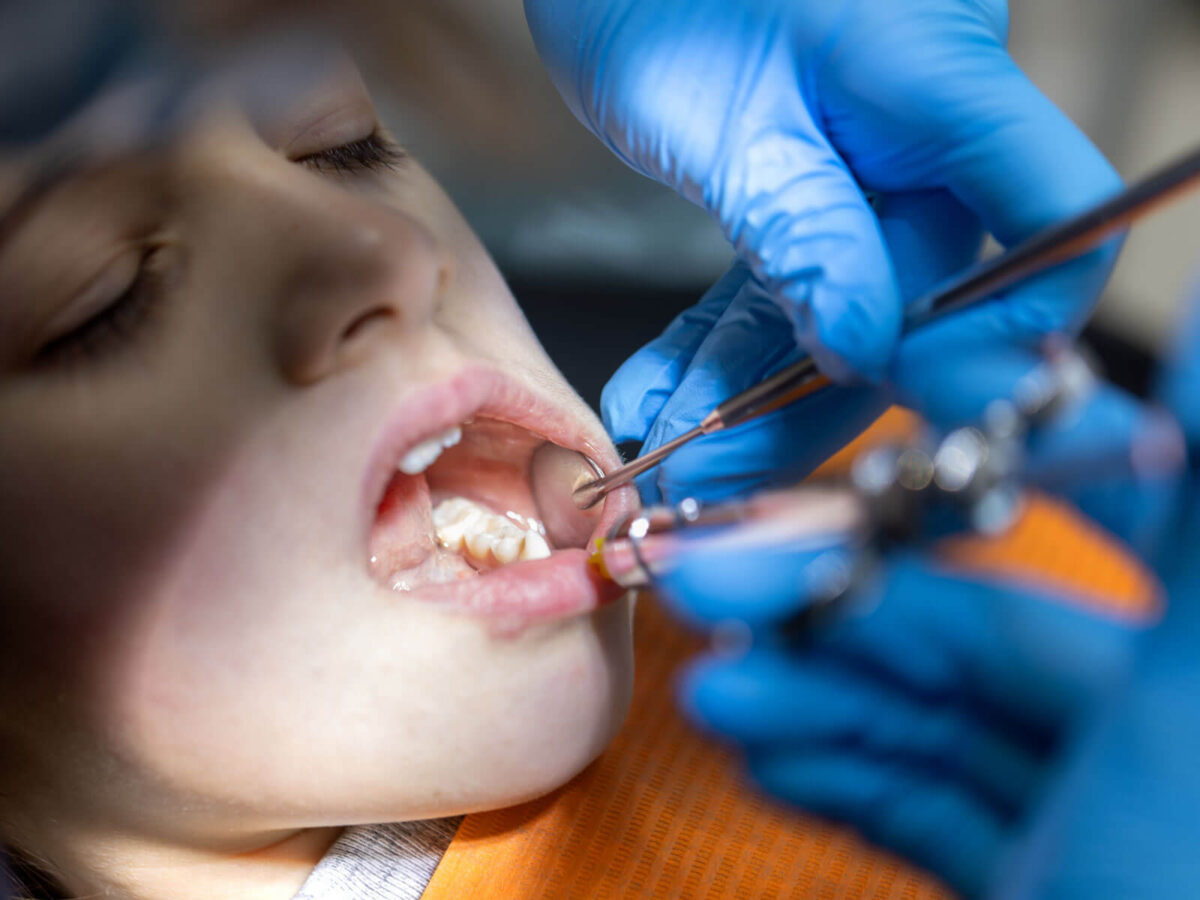
Gum Disease and Braces: Risks, Prevention & Treatment
Gum disease and braces come up together at the consultation, in a sentence about brushing that takes eight seconds and disappears. You’re left knowing the two are connected without being told how.
Brackets add roughly two dozen new corners to a mouth that already had plenty. Whether those corners stay clean comes down to a technique you’ll repeat a few hundred times over eighteen months.
Two people can leave the same practice on the same day, same treatment plan, same appliance, and finish with completely different gums.
TL;DR
Brackets don’t attack gum tissue. They make plaque harder to reach, and the plaque does the damage.
Gingivitis during fixed treatment turns up often. One study put incidence at 56.8% in adolescents wearing fixed appliances.
Puffy gums creeping over the edges of brackets have a name: gingival overgrowth. It’s the most visible thing that goes wrong.
Some recession does show up after fixed treatment. How much varies, and it’s usually mild.
Interdental brushes and cleaning after meals handle most of the risk. Both are tedious. Neither takes long.
Why Do Braces Make Gum Disease More Likely
Picture the gumline as a continuous curve your toothbrush sweeps along. Bonding a bracket to each tooth interrupts that curve twenty-something times, and the archwire adds a bar sitting a millimeter or two above the tissue you’re trying to reach.
The bristles now stop at the wire. Everything between the bracket edge and the gum sits in a shadow.
What grows there changes too. A study following adolescent patients found bacterial and clinical measures climbing after placement and peaking around three months, with one aggressive P. gingivalis genotype closely tied to orthodontic gingivitis.
Then the loop starts. Brushing hurts when gums are already inflamed, and a light pass over a sore patch leaves exactly the plaque that made it sore. Exam season does this to a lot of people. So does anything that turns the last ten minutes of the day into two.
How Common Is Gingivitis With Braces
Common enough that prevention is built into the treatment plan at most practices. One paper reports gingivitis prevalence between 35% and 50% among adolescents in fixed appliances, against 20% to 25% in adults.
Hormones account for part of that gap, and the same paper says so. The rest is that a fourteen-year-old brushing before the school bus is working under different conditions than someone who paid for their own treatment.
The signs are easy to dismiss. Pink in the sink after brushing, or gums that have gone red where they used to be pale. Sometimes it’s one bracket where the tissue looks puffier than the ones on either side of it.
Bleeding gets ignored the longest. Scrubbing around metal seems like reason enough for a bit of blood, so people file it under normal and carry on. Healthy gums don’t bleed when you brush them, braces or not.
Is Gum Swelling Around Brackets Normal
A little, early on, yes. Gums that keep growing until they creep over the bracket edges are a different thing, called gingival enlargement, and it’s why some people finish treatment with teeth that look shorter than they should.
The appliance itself is a large part of it. One study found patients in fixed appliances carried a 20 to 28-fold higher risk of enlargement than people without them, with treatment duration driving the numbers.
Plaque tracks alongside it. A separate study found prevalence climbing from 20% in patients with no detectable plaque to 72% in those with abundant plaque, though its own regression stopped short of naming plaque as the cause.
Most cases shrink back once cleaning improves. The stubborn ones sometimes need a small gum trim after debonding, which is a simple procedure and one you’d rather not need.
Gums Bleeding Since Your Braces Went On?
Get your gum health assessed before it affects your treatment plan.
Braces and Receding Gums: What the Research Shows
Recession is the fear that keeps adults out of orthodontic chairs, and the answer is “some, usually small” rather than yes or no.
The best evidence here comes from a controlled study in the European Journal of Orthodontics, which tracked forty adults through fixed appliances and compared them against forty matched people who never had treatment. A year after debonding, the treated group had more recession, though the researchers described the severity as limited.
Thin gum tissue is what puts you at risk, and it’s visible at a consultation before anything gets bonded. Pushing teeth outward through a thin plate of bone is the mechanism, so planning in those cases keeps movement within safer limits or brings a periodontist in first.
If your gums have always looked on the thin side, or recession runs in your family, that’s a question for the consultation rather than something to find out later.
What Are the Best Oral Hygiene Tips for Braces
Clean after meals. Twice a day was fine before brackets. Food packed in at lunchtime otherwise sits there until bedtime, which is eight hours of undisturbed plaque against the gumline. A travel brush in a bag solves the whole problem.
Buy interdental brushes. The small conical ones slide under the archwire and reach the triangle between the bracket and gum that no toothbrush bristle gets to. If you only change one thing, change this. It matters more than upgrading your toothbrush.
Angle at 45 degrees. Then clean above and below each bracket separately. Brushing straight on polishes the bracket and leaves the gumline untouched, which is the most common technique error.
Disclosing tablets every couple of weeks. Chew one, and any plaque you left behind goes bright pink. Expect the back molars and the gumline under each bracket. Nobody enjoys this part.
A water flosser helps if threader floss keeps defeating you. It clears loose debris under wires fast. What it won’t do is scrape plaque off a tooth surface, so the brushing still has to happen.
Move your cleanings closer together. Every three or four months during treatment. Most practices will shorten the interval if you ask, and almost none suggest it themselves.
What Happens If Gum Disease Develops Mid-Treatment
Gingivitis rarely disrupts anything. You get a hygiene visit, someone corrects your technique, and a check a few weeks later confirms it’s settled. Treatment carries on around it.
Periodontitis is where things change. Once bone starts disappearing, teeth respond differently to force, and pushing them through inflamed tissue does damage that outlasts any delay by decades.
What usually happens is a pause on active movement while you’re referred for periodontal treatment. Once things are stable, the braces pick up where they left off.
Nobody enjoys hearing that. A few months added to a two-year timeline is a real cost, and it’s the cheaper option by a wide margin.
FAQ
Do gums go back to normal after braces come off?
Usually within a few weeks, if what you had was gingivitis. Overgrowth that’s been there a year is slower and occasionally needs trimming.
Can mouthwash replace flossing with braces?
No. Rinsing kills bacteria floating around. It does nothing to plaque already stuck to a tooth, which has to come off physically.
Is bleeding when I brush around brackets normal?
Lots of people get it. That doesn’t make it fine. Gums bleed because they’re inflamed, and most people see it stop within a week or two once their cleaning tightens up.
Can you get braces with gum disease?
Once it’s treated and stable, yes. Active disease gets dealt with first, usually with a periodontist involved throughout.
Conclusion
None of this is mysterious, which is the useful part. The problem is physical and so is the fix, and the fix costs about twelve minutes a day.
What stayed with me was the timing. Bacterial counts start climbing within weeks of bonding and peak at around three months. Month one is where the routine gets set.
Gum disease and braces stay linked for as long as the hardware is on your teeth. If your gums have been bleeding since treatment started, raise it at your next appointment. It’s a hygiene conversation, and a short one.
Protect Your Gums Through Treatment
Get a gum health check and a cleaning routine built around your braces.