Blog
Dental hygiene tips for healthy teeth & gums
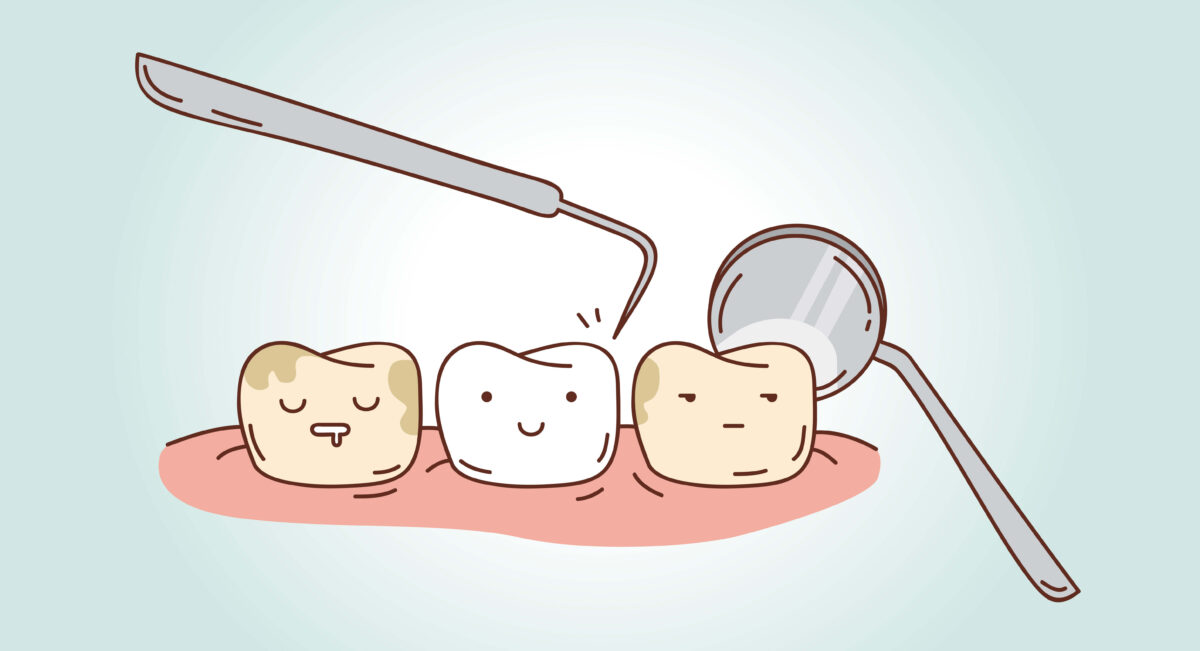
Can Dental Cleanings Damage Enamel?
People don’t always say it out loud, but many are thinking, Does dental cleaning damage enamel, once the appointment gets going.
The scraping noise can make it seem like something intense is happening. The reality is the opposite — the cleaning is meant to protect enamel by clearing away hardened buildup. Still, every visit has its own feel. If there was more buildup than usual, you might notice the tools a bit more. Different polishing steps can also change how it feels. And if your teeth were already a little sensitive, that can make the whole thing stand out more. None of that means harm is being done. It just explains why one visit doesn’t feel exactly like the last.
What A Normal Cleaning Does And Why It Helps
Routine cleanings deal mostly with soft plaque and light staining. The hygienist uses basic tools and a gentle polish to clear buildup in areas brushing can miss. For teeth that are healthy, this work does not grind away enamel. It simply lifts away what is already stuck to the tooth.
For teeth with weaker enamel, the method changes. Using softer materials and a careful hand allows the cleaning to protect the tooth. That kind of attention helps stop damage and keeps the tooth surface smooth afterwards. A quick call before the visit to mention sensitivity or past problems helps the team come prepared.
Why Teeth May Feel Sensitive Right After A Cleaning
Sensitivity can follow a cleaning and often lasts only a short time. It’s usually more noticeable when tartar has collected near the gumline. The tissue beneath can already be sensitive in those areas. After the buildup is removed, exposed spots sometimes react to cold drinks or sweet foods for a while.
Because of this, people sometimes wonder does teeth cleaning damages enamel. In most situations, things start to feel normal again as the gums settle and saliva does its job over the exposed areas. That process can take a little time. Ongoing sensitivity for weeks is a good reason to have a quick check. A cleaning can sometimes make existing enamel thinning or root exposure more noticeable.
When Heavy Buildup Changes The Experience
Heavy, hardened tartar is a different problem. The more it has calcified, the more time and stronger tools are needed to remove it. That deeper work can leave the tooth feeling rough at first. It may also look lighter where deep stains were lifted.
That roughness is not enamel being shaved away in the usual sense. It is the removal of hard deposits that sat on top of the enamel. A skilled hygienist polishes those areas afterwards, and the surface smooths out again. The safest path is regular visits, so scaling stays light rather than catching up with heavy, long-standing buildup.
Tools, Techniques, And Enamel Safety — What Matters Most
More than one tool is used during most cleanings. Ultrasonic scalers are common. Hand instruments are common too. The approach shifts from spot to spot. Hand instruments come into play in a different way. They let the clinician feel the surface of the tooth and smooth areas that need more attention. Used correctly, both methods are considered safe.
Questions like Does professional teeth cleaning damage enamel usually come up when the technique feels rough. That tends to have more to do with how the tools are used than the tools themselves. An aggressive approach or lack of experience can leave light surface marks. This is where a careful hand and a slower pace really help. You can always ask who’s doing the cleaning and if they use a mild polishing paste. Most clinics are comfortable explaining how they work.
Does Polishing Wear Enamel Over Time? — A Plain View
Polishing involves a paste and a rubber cup that spins gently against the tooth. The paste contains fine abrasives designed for surface stains rather than deep material removal. Used properly, this step doesn’t remove healthy enamel in a meaningful way, even though some people worry and ask does professional teeth cleaning damages enamel.
Problems are more likely when polishing is repeated frequently or when a stronger paste is involved. The surface may feel less smooth afterwards, which some people notice right away. Clinics usually aim for a middle ground between appearance and enamel care. If polishing ever feels uncomfortable, asking for a lighter approach at future visits is common. A small change is often enough to prevent sensitivity.
Special Conditions That Make Enamel More Fragile
Enamel isn’t always starting from the same place for everyone. Acid exposure from sodas, reflux, some medications, or eating disorders can thin it over time. In those situations, the teeth can feel more reactive. That’s usually when questions like Does cleaning teeth damage enamel come up. The cleaning may feel different simply because the protective layer was already reduced.
When these conditions exist, the dental team adjusts. There are ways to make cleanings easier. Sometimes a slower way makes more sense. Telling the dental team in advance helps them choose what works best for you and keeps things feeling manageable.
When It’s Just Temporary Versus Real Damage
After polishing, teeth typically feel smooth. If a sharp or rough area is noticed and it doesn’t improve, the hygienist can check and smooth it. Small adjustments are usually simple.
Worries about does professional teeth cleaning damages enamel are common, but real enamel loss doesn’t happen quickly. It appears as a gradual thinning, colour change, or sensitivity over months. Dentists can compare current findings with earlier records to see what’s actually going on.
Simple Steps To Protect Enamel Before And After A Cleaning
Teeth can feel more sensitive when brushing is firm before a cleaning and polishing follows soon after. That combination is often what raises the question “Does cleaning teeth damage enamel?”, even though the sensation is usually temporary.
Gums can feel a bit tender for a short time after the visit. Acidic drinks sometimes make tooth sensitivity stand out more. With a little time, the surface usually feels normal again.
When It’s Time for Your Next Cleaning
Cleanings should be spaced out the way your dentist suggests. That way, tartar usually stays manageable. That often means a quick visit every six months for most people. Others who get a heavier buildup might need to come in more often so things don’t pile up. If too much time passes, one long cleaning can leave teeth feeling tender for a bit. Regular visits are usually kinder to your enamel than waiting and doing it all at once.
What To Ask The Clinic If Worried About Enamel
Some patients ask about polishing pastes and whether lower-abrasion options are available. Others mention sensitive spots or past experiences with roughness after cleanings. Letting the clinic know about reflux, lots of soda, or already thin enamel gives them a helpful background. That’s usually when people start wondering Does dental cleaning damage enamel, especially if they’ve dealt with sensitivity before.
Clinics are familiar with these conversations. A short discussion ahead of time can ease concern and influence how the cleaning is done.
Final Thought
The concern “Does dental cleaning damage enamel?” usually comes up after sensitivity or roughness is noticed. In routine cleanings done correctly, enamel isn’t damaged. Removing buildup helps reduce decay risk rather than increase it.
Some temporary sensitivity can follow deeper cleaning. That often settles with time. Regular visits and clear communication with the dental team tend to keep enamel stable.