Blog
Dental hygiene tips for healthy teeth & gums
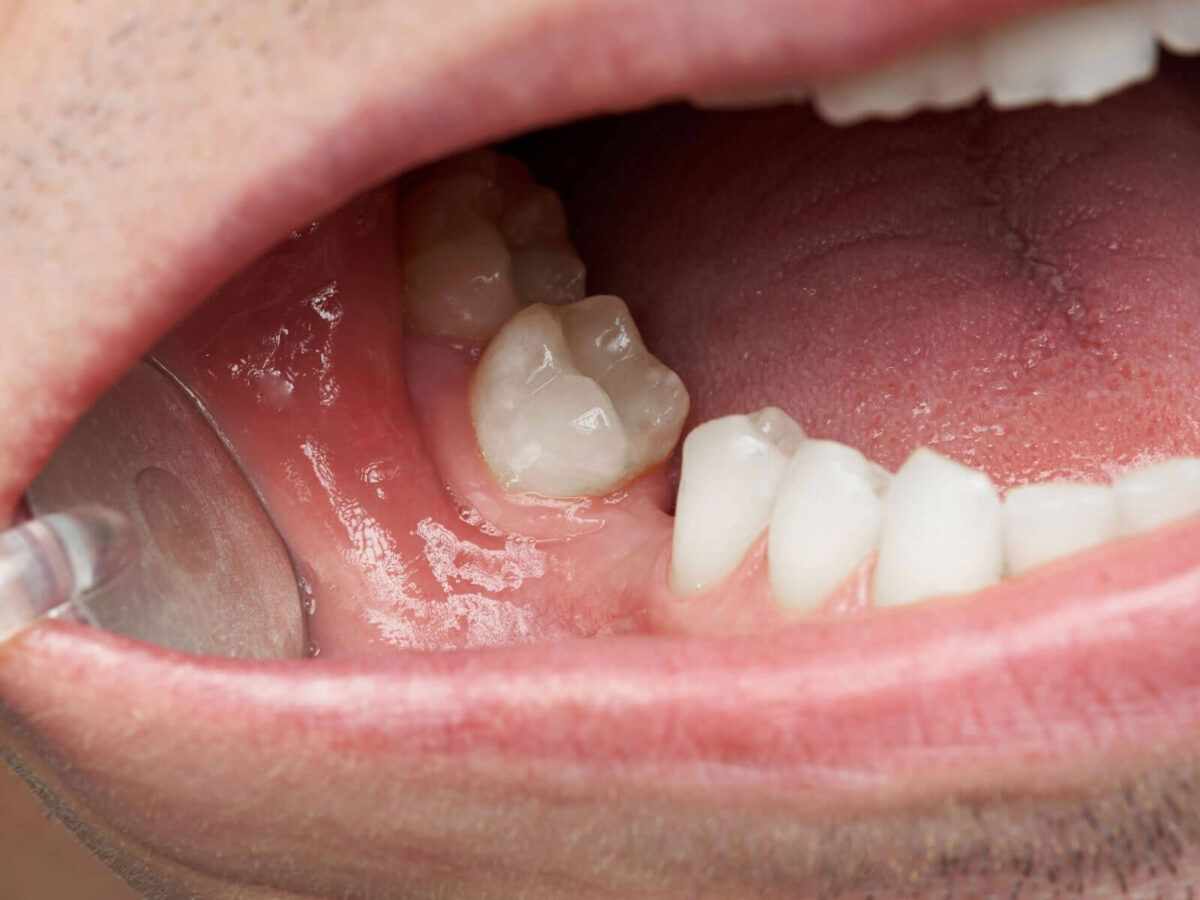
Long-Term Effects Of Missing Teeth On Oral Health
Many people believe a missing tooth only changes their smile. A tiny gap might seem harmless if chewing feels the same. Yet the body always responds when a tooth is lost. Small shifts start right away. Over time, the mouth adjusts in ways that affect comfort speech and overall oral wellness.
Learning about the long-term effects of missing teeth helps someone understand why replacing the gap sooner protects the remaining teeth and keeps chewing comfortable every day. The effects of missing teeth affect how the mouth works daily, so taking action early supports balance, bone strength, gum health, and everyday confidence well into the future ahead.
How A Missing Tooth Changes Daily Eating
Every tooth matters during a meal. Once one disappears, the remaining ones must pick up the work. Many people will chew only on one side and never notice the habit forming. After a while, the jaw joints begin to feel stressed. Soft meals may seem easier, but proper digestion begins with strong chewing.
This slow shift shows early effects of missing teeth. The person leaves out harder foods, gives up what they love, and deals with hidden discomfort. The missing tooth becomes a lifestyle change, not just a gap.
Why Do Remaining Teeth Start To Shift
Teeth sort of hold each other in place. Take one out, and the nearby ones start drifting without warning. The tooth next to the empty area might lean over a bit. The one above or below may slowly rise because nothing blocks it anymore. Food then slips into spots that were never a problem before.
Brushing becomes a little annoying, and plaque builds up faster. After a while, people notice their bite feels different. Certain spots hurt when chewing. These small issues keep growing because the effects of missing teeth do not simply stop on their own.
Jaw Bone Loss Below The Missing Tooth
The bone beneath a tooth is always working when we chew. That pressure keeps it firm. Suppose the tooth is lost, the bone slacks off and starts shrinking. Months later, you can notice it has dropped and feels weaker than before.
This is one of the most concerning long term effects of missing teeth because untreated bone loss can interfere with replacement treatments later on. A person might even need bone rebuilding first. And when bone loss spreads across several missing sites, the face can lose some of its natural fullness.
Gum Changes And Sensitivity
Gums feel stronger when the teeth and bone below are in good shape. Once the bone starts shrinking, the gums may react and get irritated faster. Little bits of food sit in that open space, and brushing there becomes awkward. Some notice tenderness or light bleeding during their routine.
Ignoring the area because it stings a bit usually causes more trouble. Working on the effects of missing teeth sooner helps keep those gums feeling normal.
Strain On The Jaw Joints
Jaw joints enjoy balance. When both sides chew equally, the muscles stay comfortable. But take a tooth away, and the pressure shifts. The jaw works harder in one direction, and tightness or morning headaches can follow.
Many people never link the soreness to the missing tooth because the strain builds slowly. One day, the pattern becomes obvious. Addressing the effects of missing teeth supports joint comfort and lowers daily stress on the jaw.
Speech Can Be Affected Without Warning
Teeth help control airflow while we talk. When one is gone near the front, the air can slip out differently, and some words sound a bit strange. A tiny whistle might appear, or speech may not feel as clear.
Everyone experiences it differently, but once speech feels off, confidence can change, too. A small gap can feel much bigger in a meeting or when talking to others. Paying attention to the long-term effects of missing teeth can help keep speech natural and comfortable.
Self-Confidence
A smile says a lot about how someone shows up to the world. A missing tooth can make a person hold back. They hide their smile in photos. They avoid laughing. Over time, this hesitation can affect relationships and social comfort.
Confidence often returns once the space is restored. Patients describe a lighter feeling when they no longer worry about how the gap looks to others. The boost becomes emotional and practical.
Early Decay And Gum Disease Risks
Shifting teeth leads to plaque building up in different spots around the mouth. Some spots get harder to clean, and food slips in more often. That builds up trouble, increasing the risk of decay and gum problems not just near the gap but in other areas too.
The mouth is a single system. Losing one tooth places stress on that whole system, which is why small changes should never be ignored.
Chewing Efficiency Drops
Good chewing makes eating simple. Without all the teeth working together, the stomach struggles with bigger pieces of food. A person might notice discomfort more often after meals.
They start avoiding crunchy or tough foods. Healthier choices sometimes disappear from the plate. This is one of the long-term effects of missing teeth that sneaks up slowly.
Why Fixing A Missing Tooth Early Matters
When a person understands the long-term effects of missing teeth, the choice feels simpler. The mouth stays in balance. Chewing still feels normal. Speech does not change. And the teeth around the gap stay where they belong.
Stopping problems before they grow is always easier. Keeping bone strong costs less effort than trying to rebuild it later. Taking action now becomes a favour to the person they will be in a few years.
Common Replacement Options And Their Role
There are several ways to restore a missing tooth. Each one supports the mouth in different ways. Some methods replace only the visible part of the tooth. Others replace both the crown and the root, which helps protect the bone. A dental professional helps match the right approach to the needs of the mouth.
No approach should feel rushed. A clear conversation and a complete evaluation ensure that the next step supports comfort and health for years ahead.
The Takeaway
Losing one tooth seems minor at first. But the long-term effects of missing teeth can creep in slowly. Chewing gets less comfortable. The bone starts to shrink. Gums act up. Even talking can feel different.
The mouth functions as a team, so every part matters. Putting back what is missing helps that team stay strong. Fixing the issue sooner helps avoid bigger trouble down the road and keeps daily life feeling normal.
A dental visit can help when chewing feels different after a tooth is gone at meals or during snacks each day. Taking action soon limits the long-term effects of missing teeth and reduces the effects of missing teeth already affecting eating comfort, confidence, and balance in the mouth every single day ahead.